The Hidden Meanings of Front Door Colors: Folklore, Superstition, and Southern Tradition
For centuries, the front door of a home has carried meaning far beyond simple decoration. Across Europe, the American South, coastal communities, Asian traditions, and old folk beliefs, the color of a doorway was often believed to influence luck, protection, prosperity, spirituality, and even the kinds of energies allowed to enter the home.
In many cultures, the front door was viewed as the spiritual threshold between the outside world and the safety of the household. Because of this, doorway colors developed reputations and superstitions that still survive today.
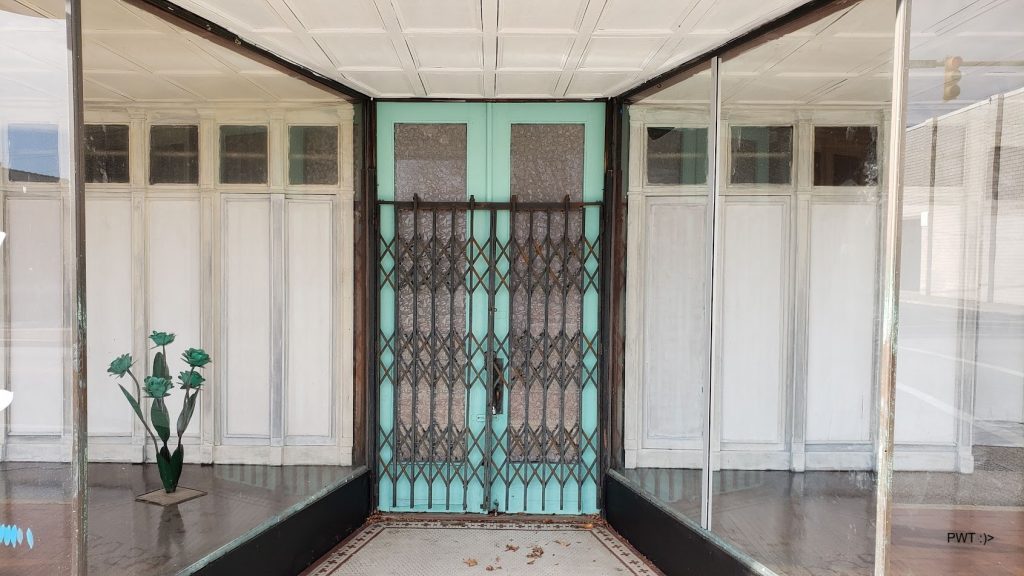
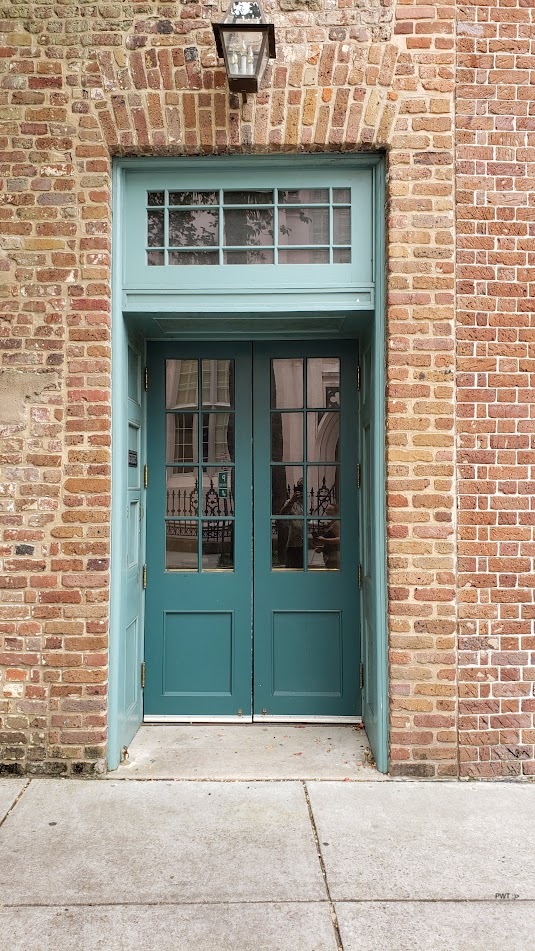
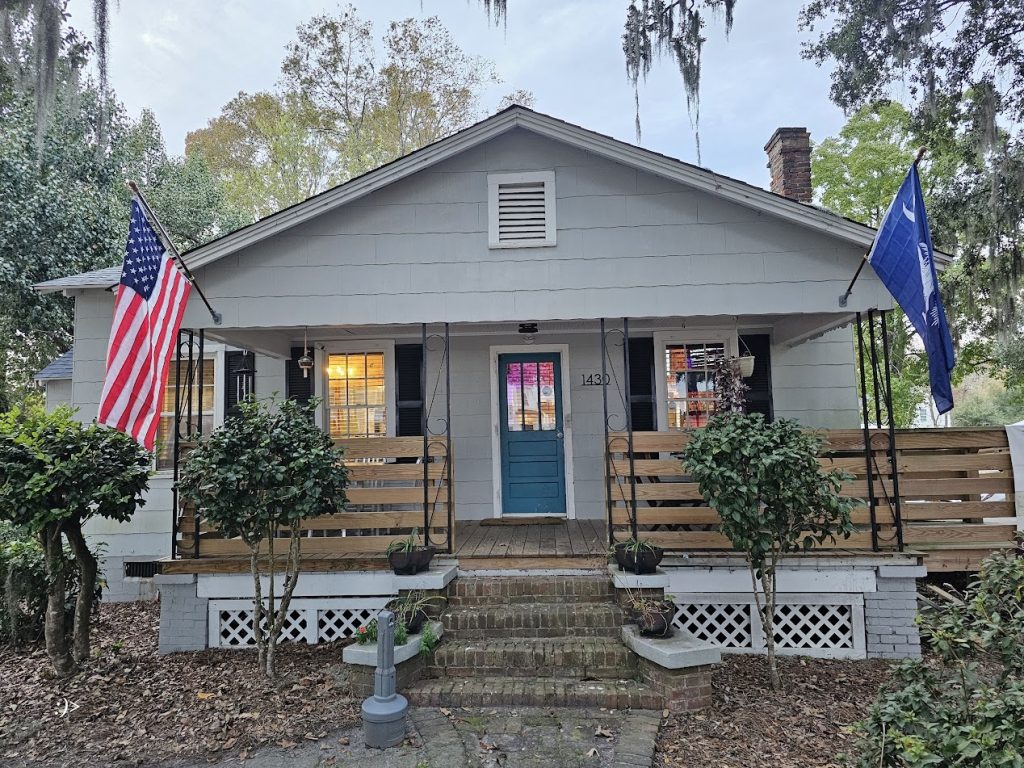
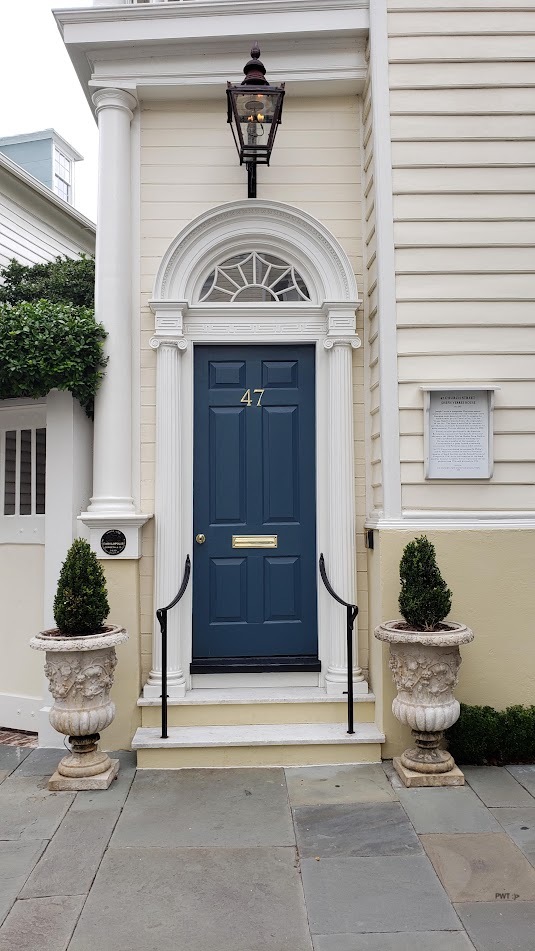
One of the best-known Southern traditions is the use of “haint blue,” particularly throughout the Lowcountry regions of South Carolina and Georgia. The word “haint” comes from an old Southern variation of the word “haunt,” referring to spirits or restless ghosts. Within Gullah-Geechee folklore, pale blue paint was believed to confuse wandering spirits by resembling water or sky, preventing them from crossing into the home.
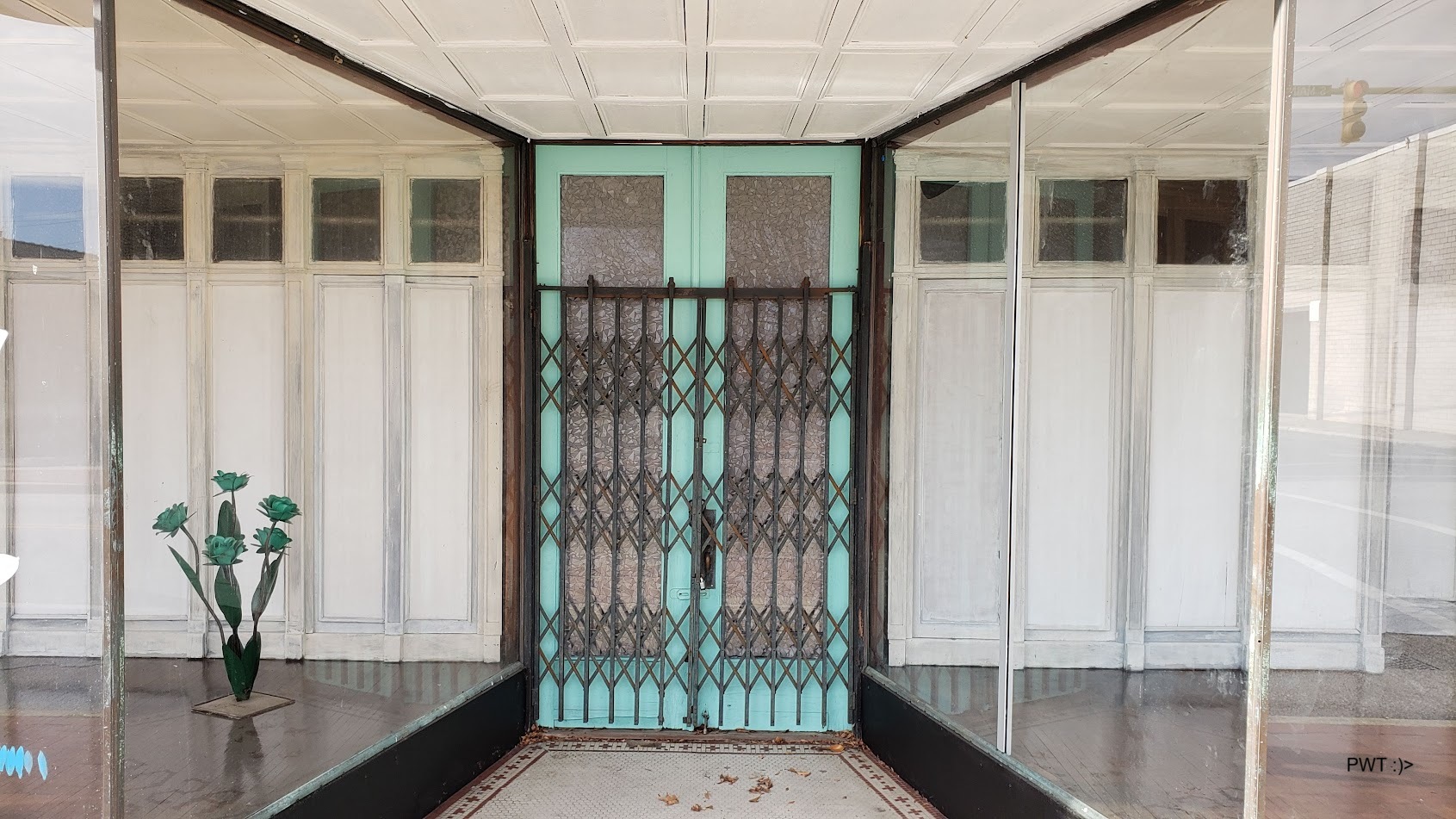
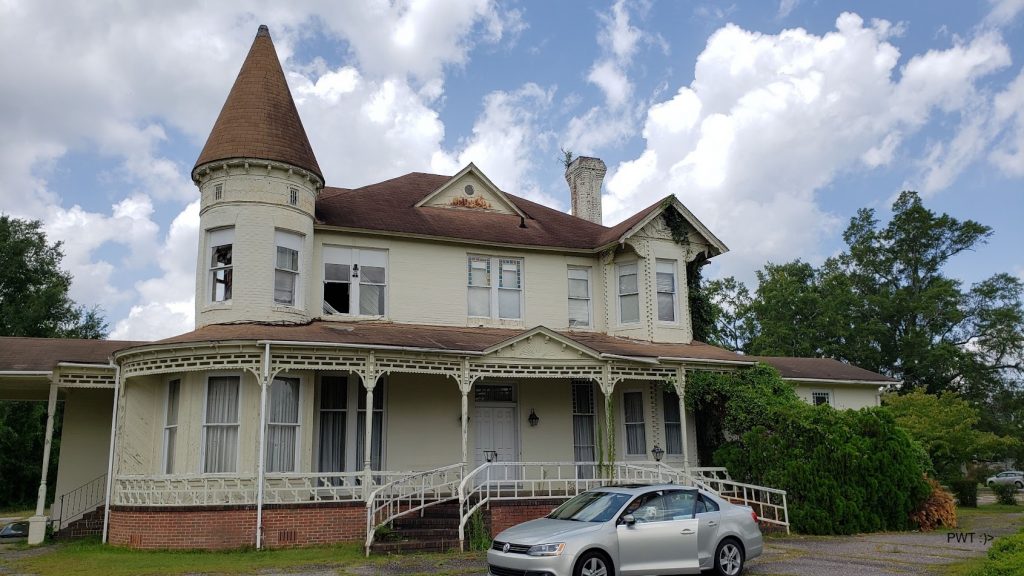
Historically, haint blue was commonly painted on porch ceilings, shutters, trim, and sometimes doors or balcony entrances. Some traditions claimed spirits could not cross water, making the blue coloration a symbolic protective barrier. Others believed the color tricked unwanted entities into continuing onward rather than entering the house. Over time, the color became strongly associated with historic Southern homes, coastal cottages, and Victorian architecture throughout the Carolinas and Georgia coast.
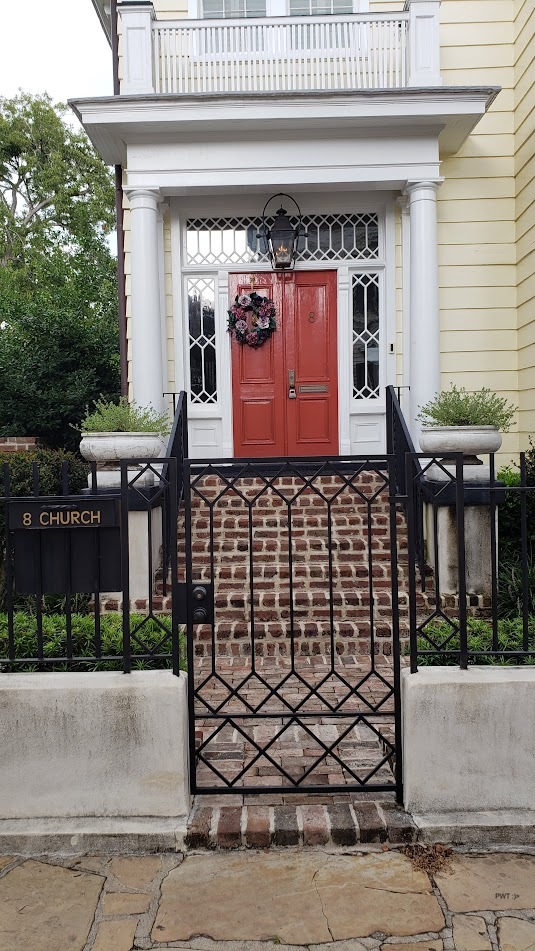
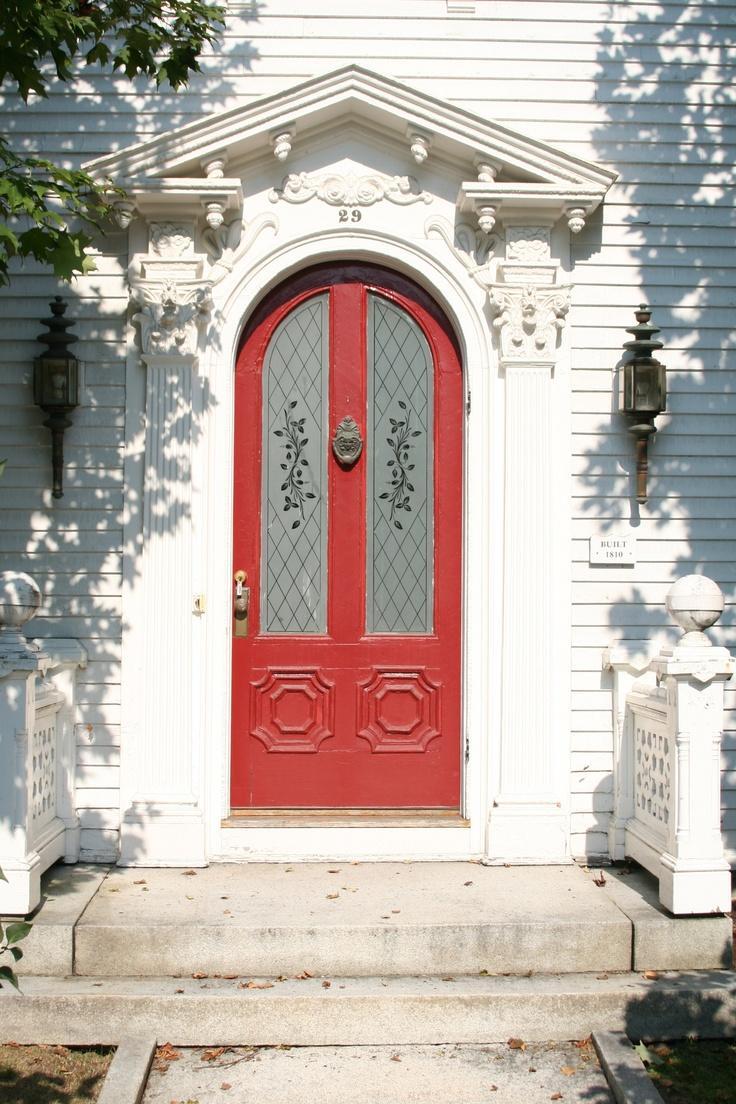
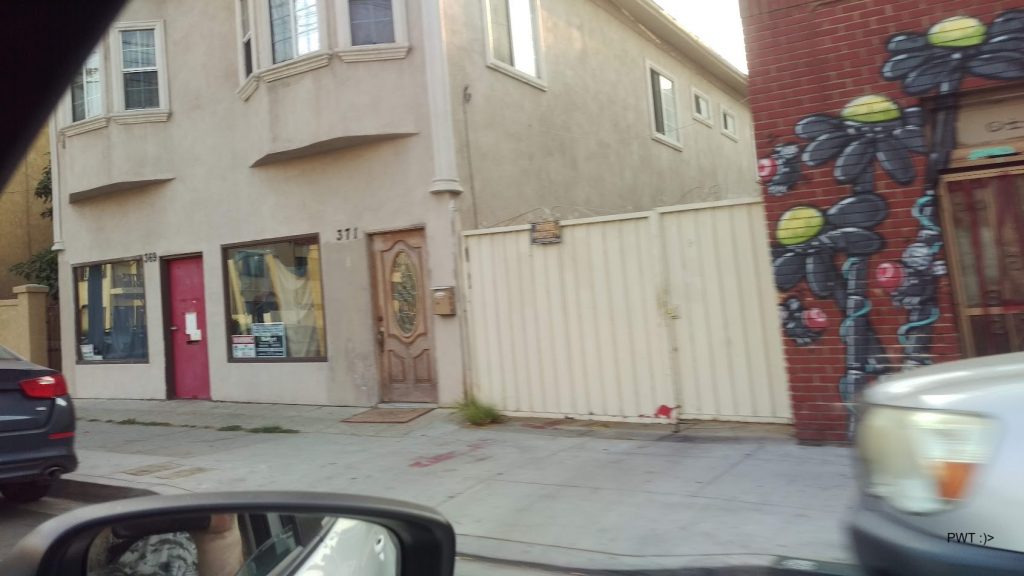
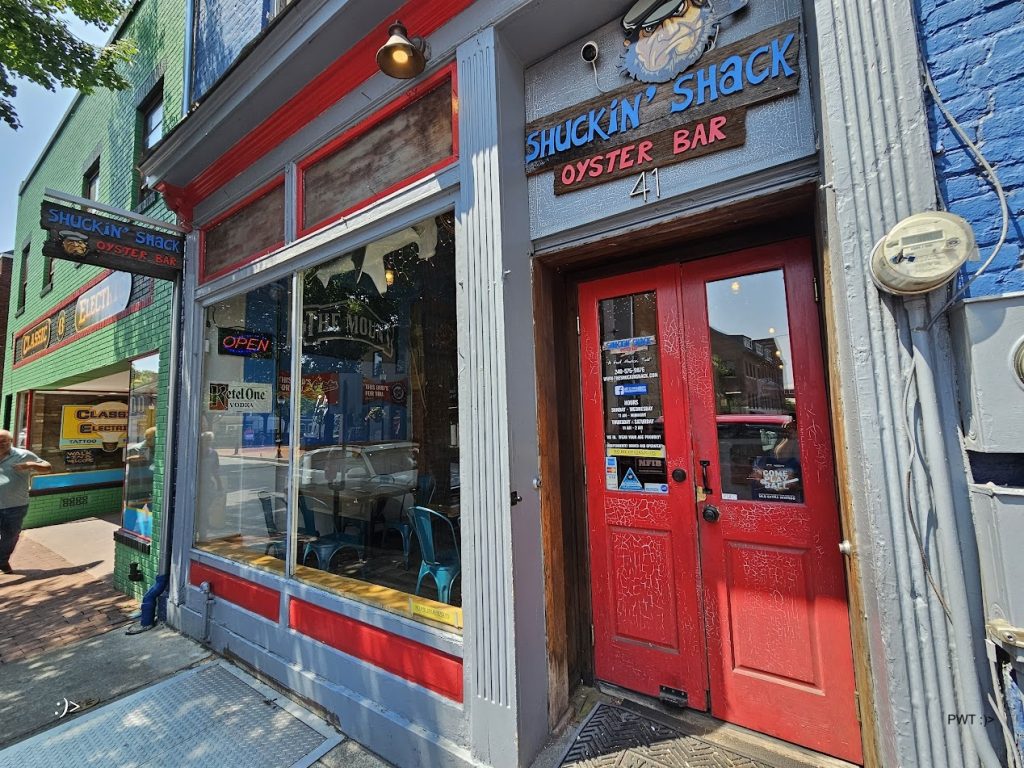
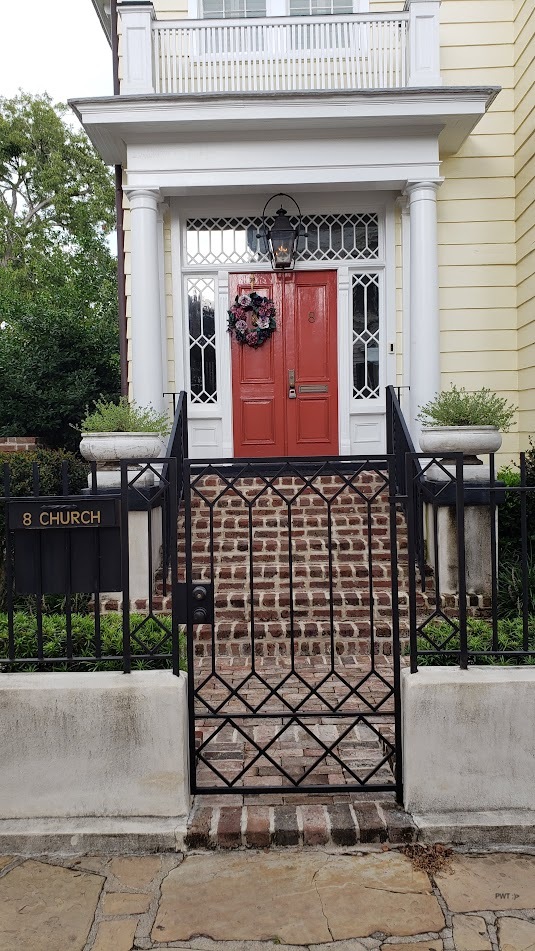
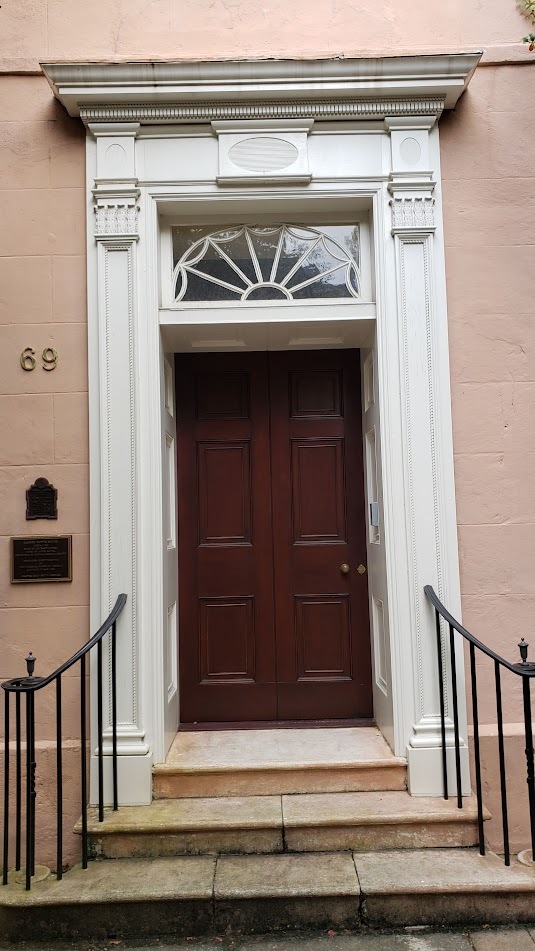
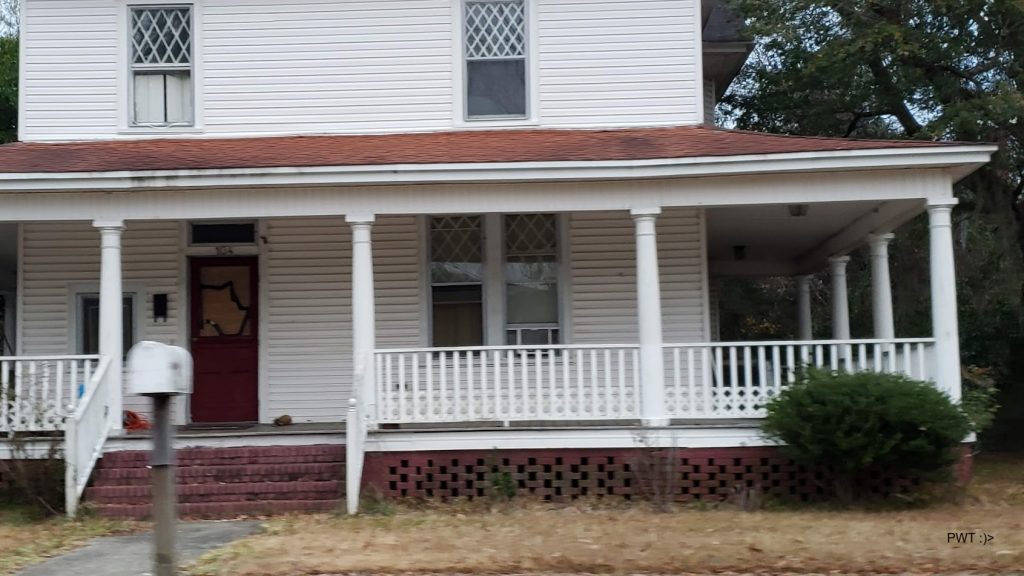
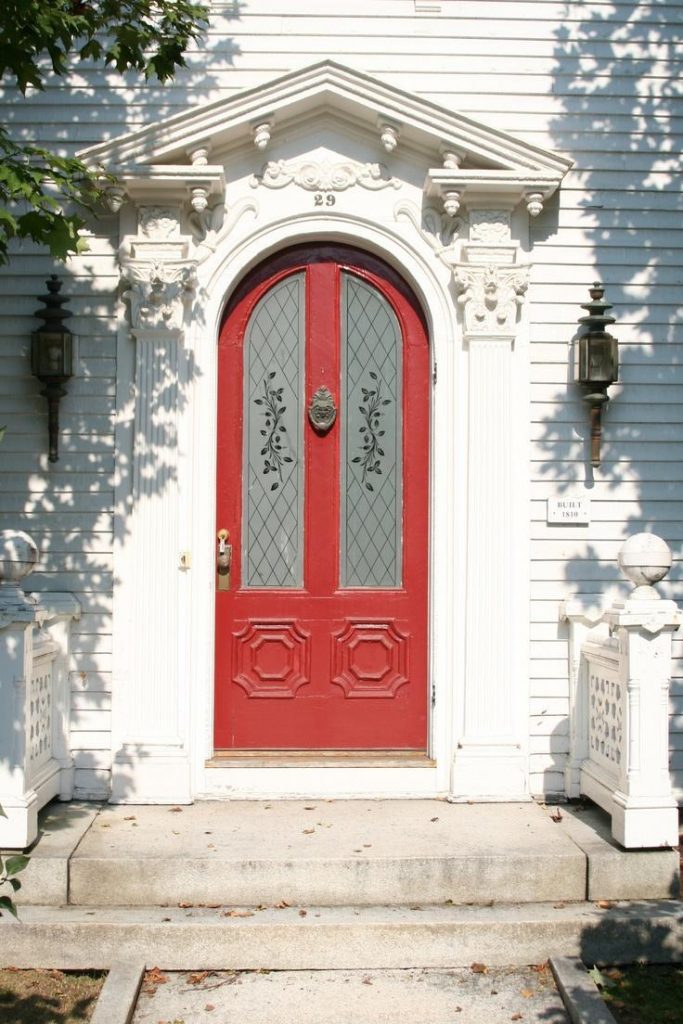
Another famous tradition centers around the red front door. Across different cultures and periods of history, red doors symbolized prosperity, protection, hospitality, and spiritual strength. In early American tradition, a red front door often signaled that weary travelers were welcome to stop and rest. In parts of Scotland and Ireland, red doors were believed to repel evil spirits, curses, and witchcraft. Some older rural traditions even claimed that a red front door indicated the homeowner had paid off the mortgage, symbolizing independence and success.
Within Chinese Feng Shui traditions, red is considered especially powerful and fortunate, representing happiness, energy, abundance, and good luck. Even today, many homeowners continue painting doors red in hopes of inviting prosperity and positive energy into the household.
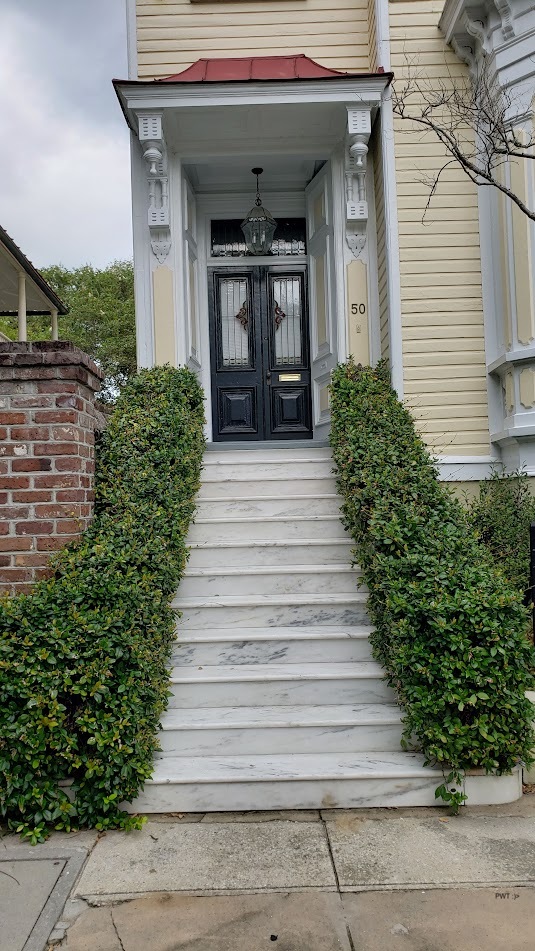
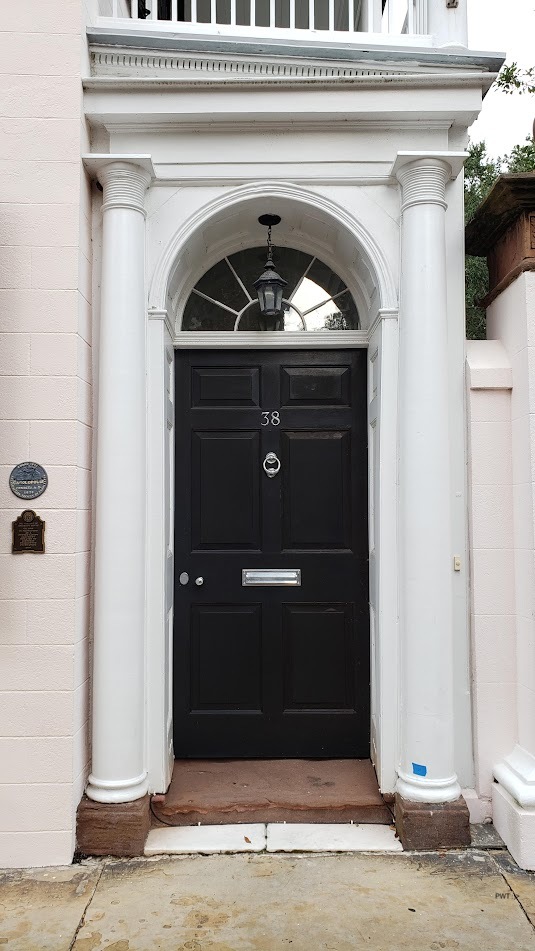
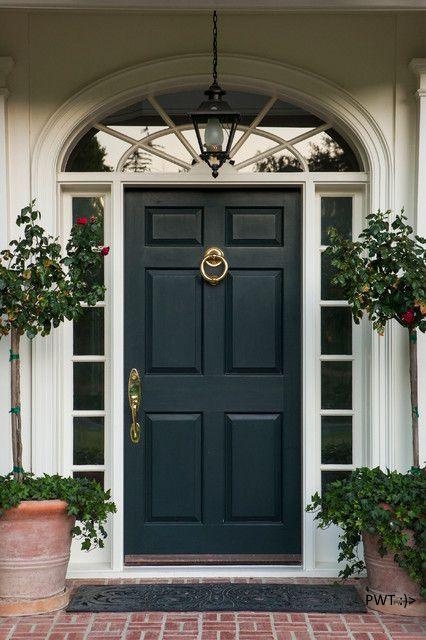
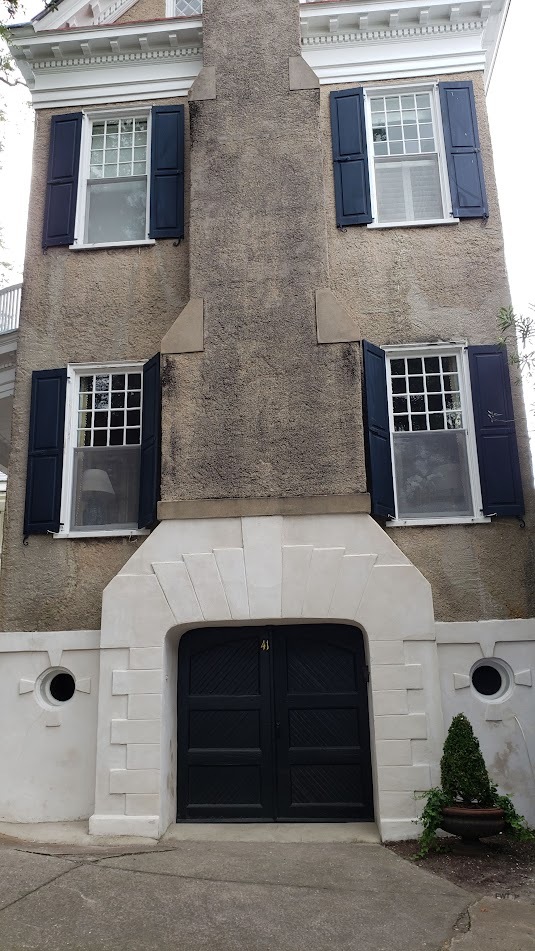
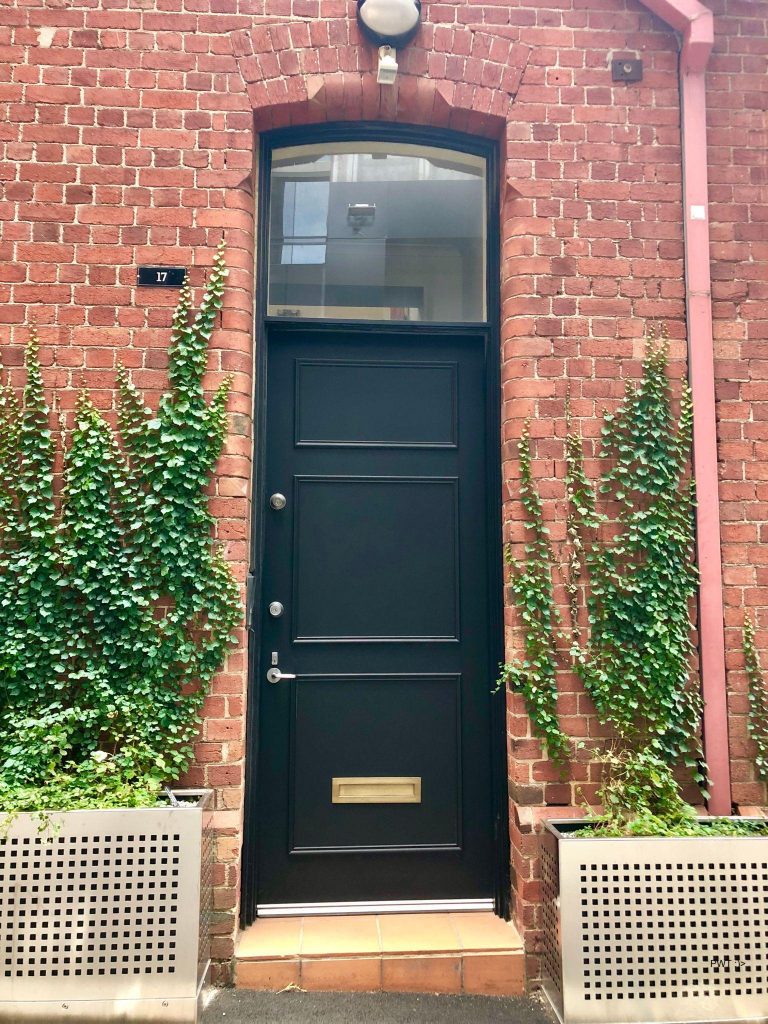
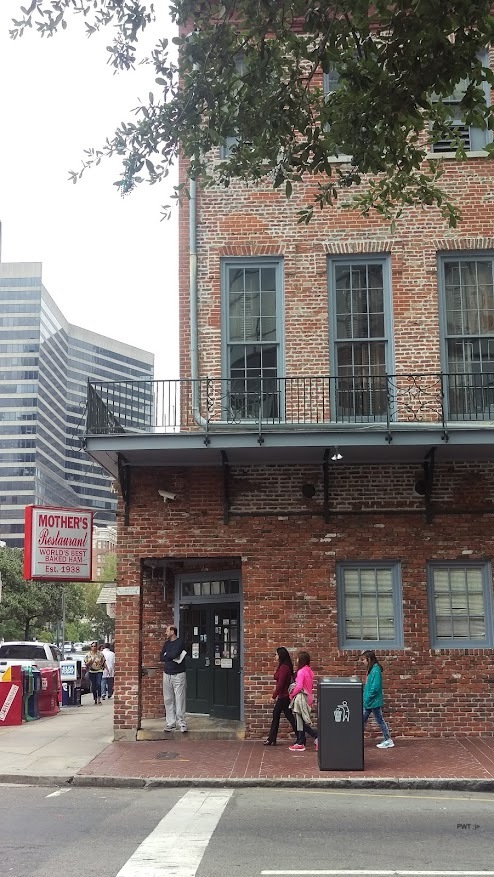
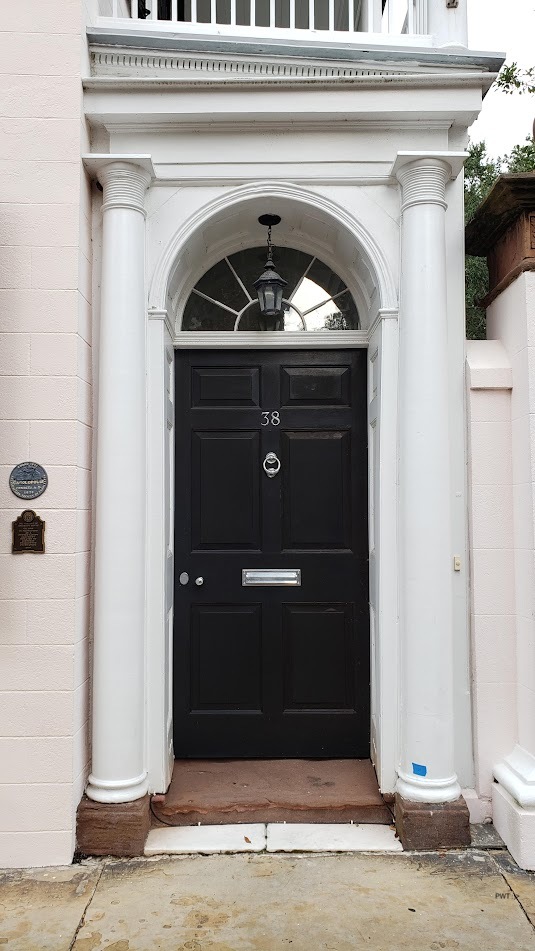
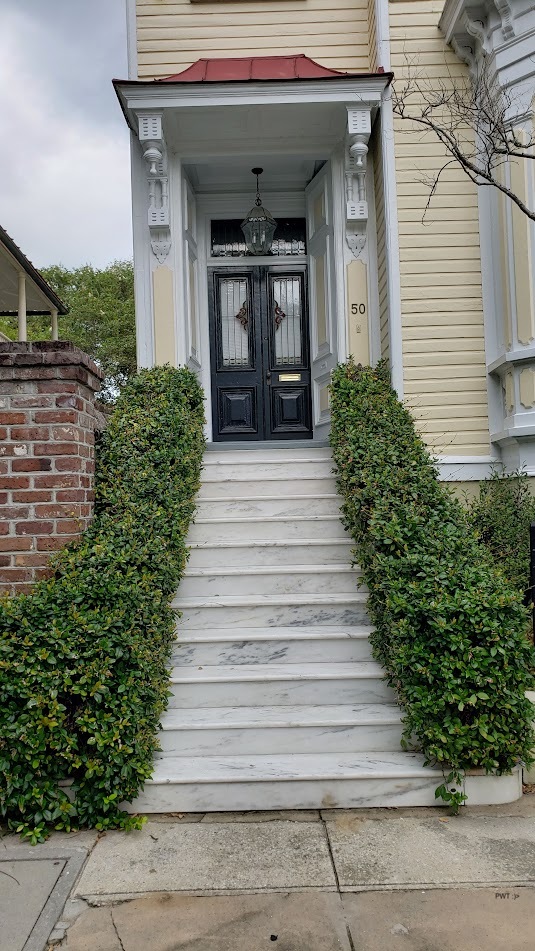
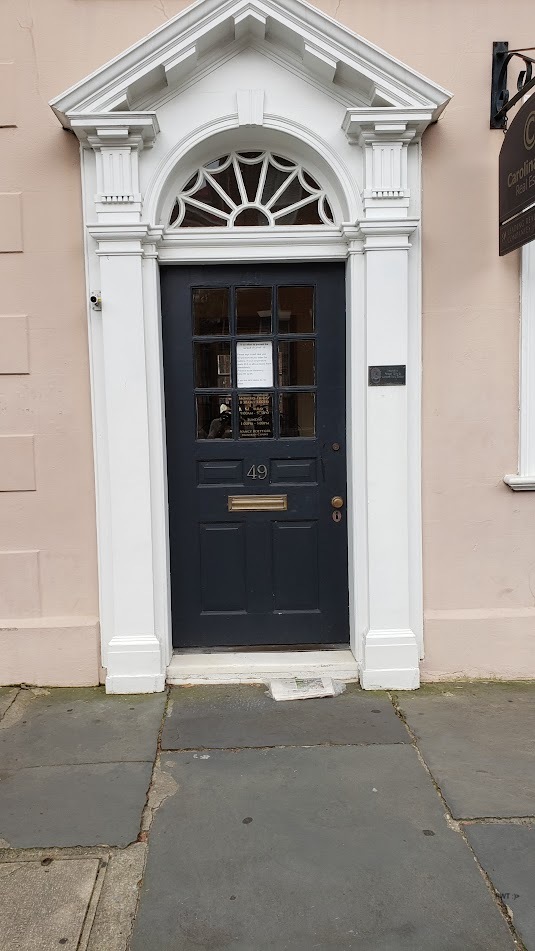
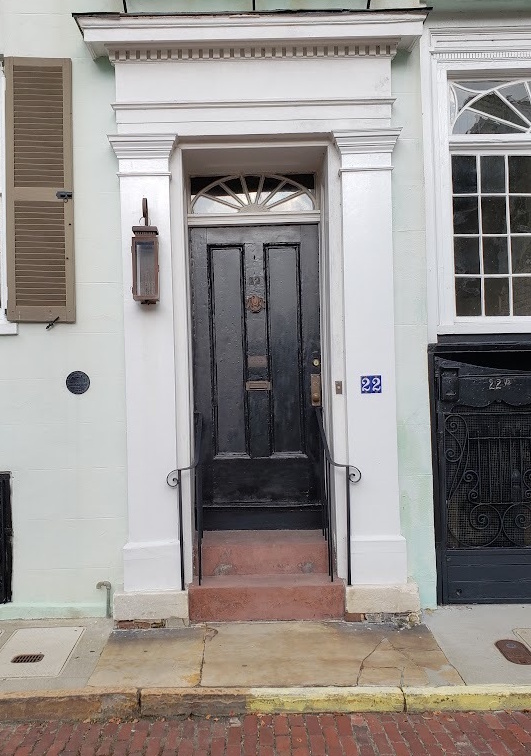
Black doors became especially popular among wealthy homes during the Georgian and Victorian eras. Traditionally, black symbolized strength, authority, permanence, sophistication, and protection. In some folklore traditions, darker colors were believed to absorb negativity before it could enter the home. Glossy black doors paired with brass hardware eventually became associated with elegance and status in historic neighborhoods and older cities.
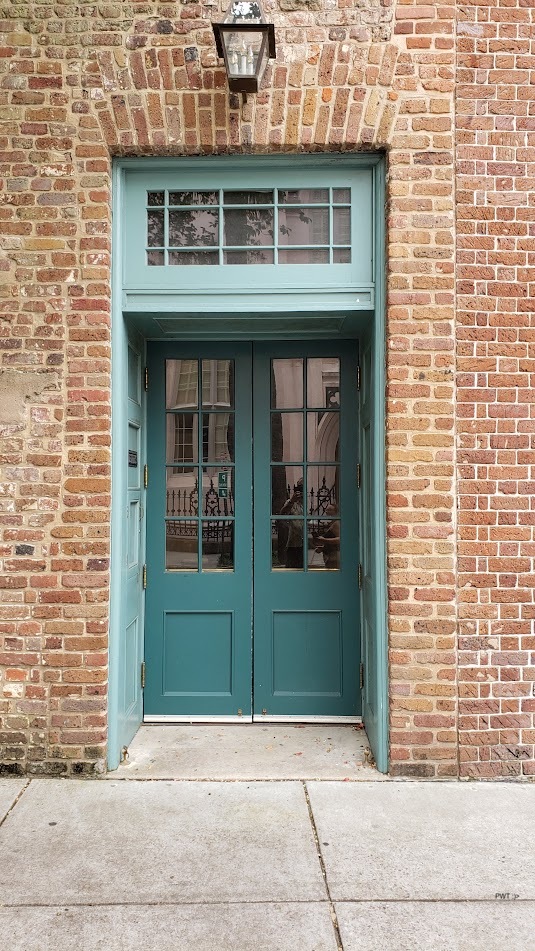
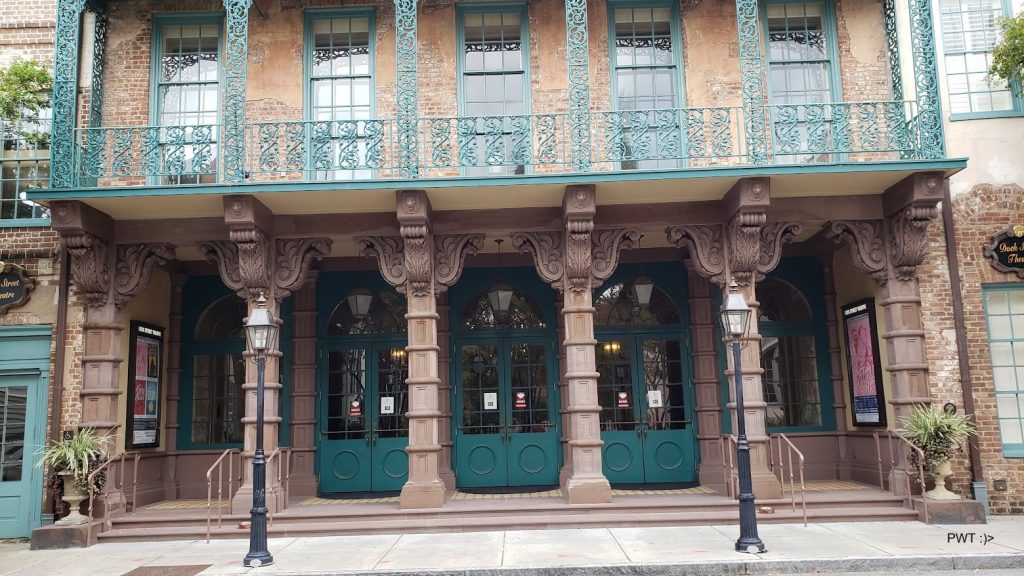
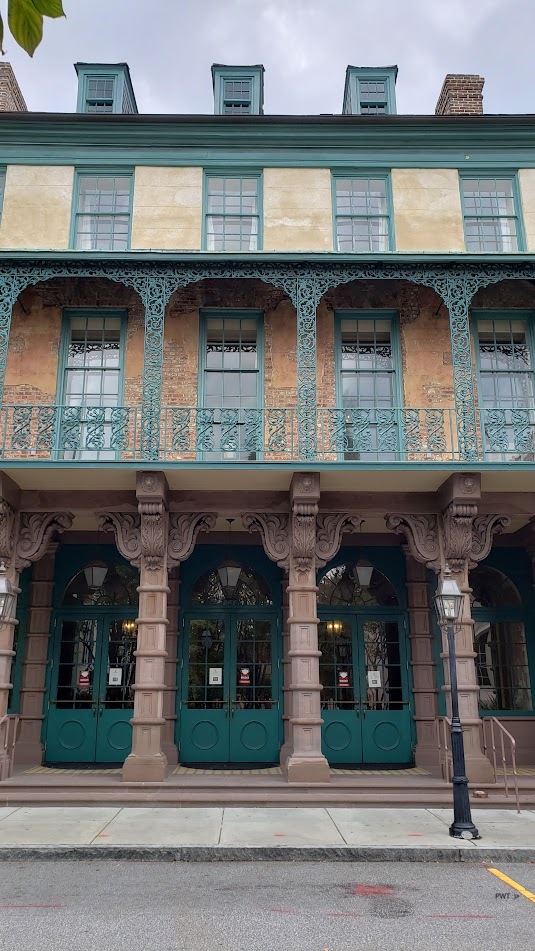
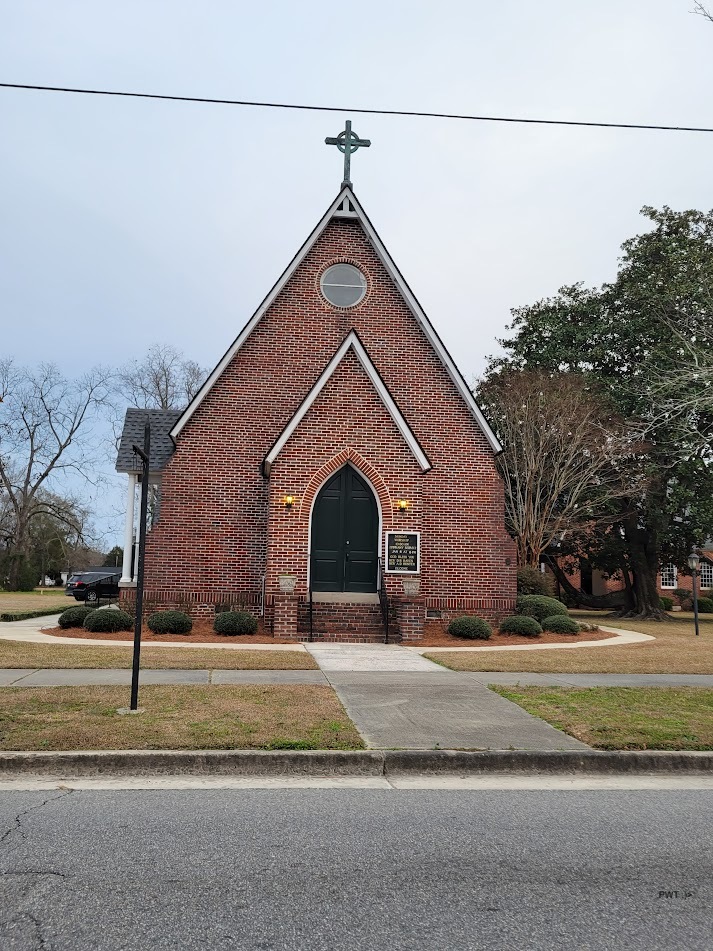
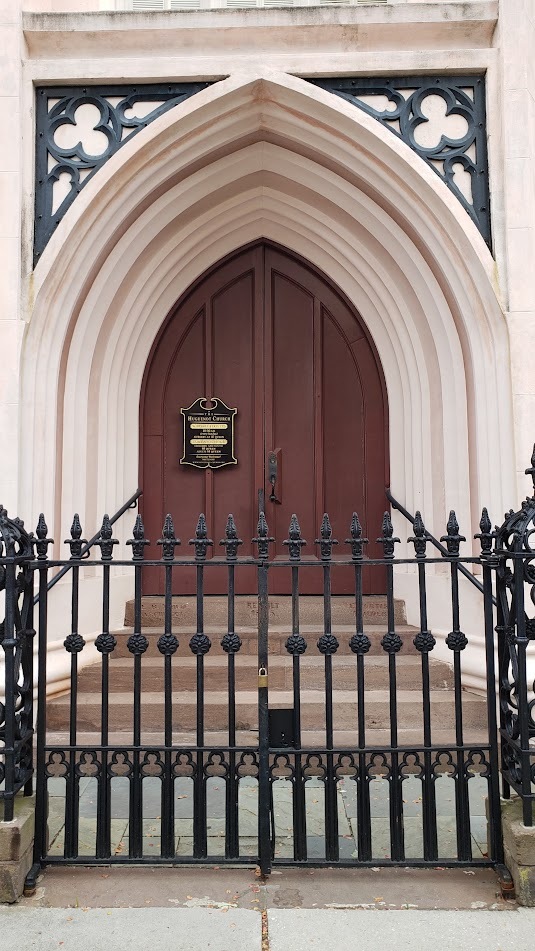
Green doors also developed rich symbolic meanings throughout history. Green has long represented renewal, fertility, prosperity, and harmony with nature. In old English folklore, green was tied to woodland spirits and the natural world. For maritime communities, green doors sometimes symbolized safe return from the sea and protection for sailors. Deep hunter greens and oxidized copper shades became especially popular in Victorian architecture and older Southern homes.
Charleston Green: The Almost-Black Green of the Lowcountry
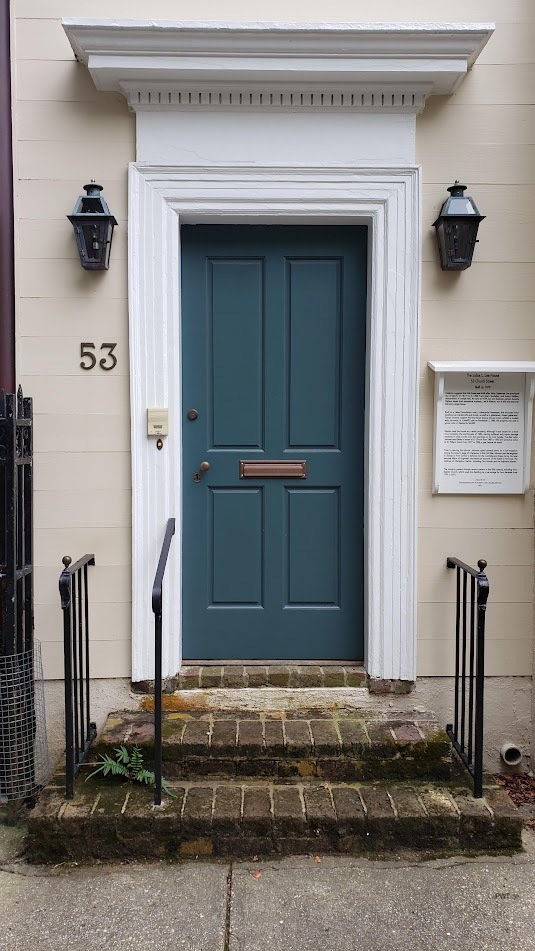
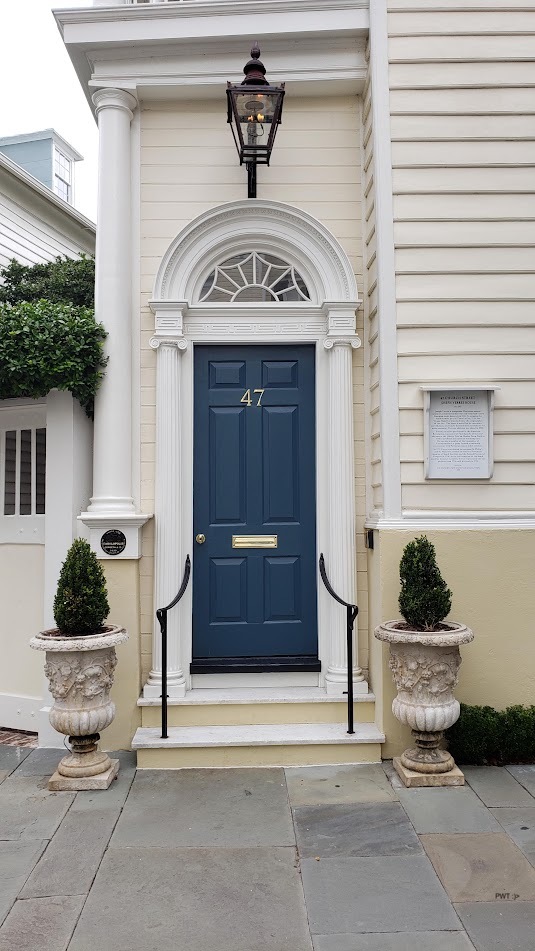
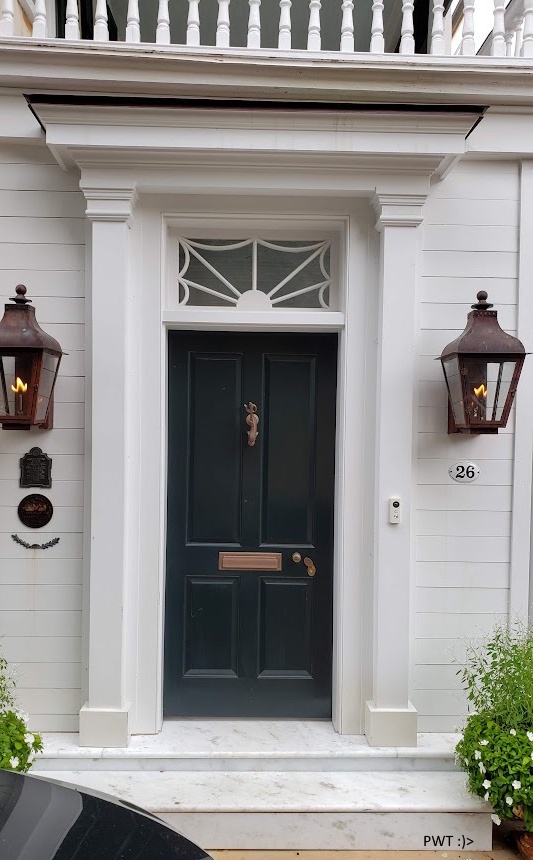
Charleston Green deserves its own place in any discussion of Southern door colors. This deep green-black shade is so dark that it often appears black until sunlight strikes it directly. It became strongly associated with Charleston shutters, doors, ironwork, and historic trim throughout the Lowcountry.
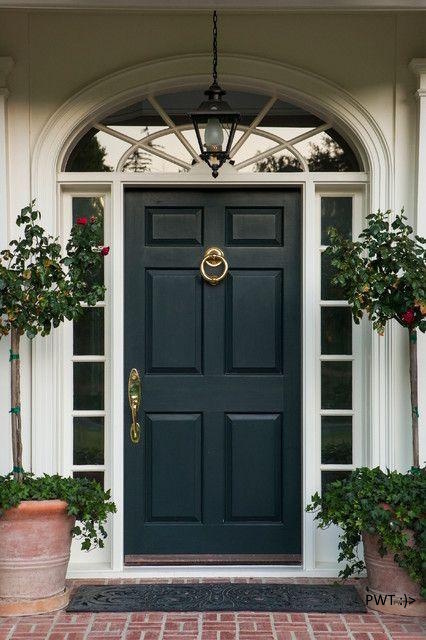
According to one well-known local legend, after the Civil War, black paint was distributed throughout Charleston during the rebuilding period. Rather than leave their homes covered in plain black paint, residents supposedly mixed the paint with yellow, blue, or green pigments, creating the deep green-black color now known as Charleston Green.
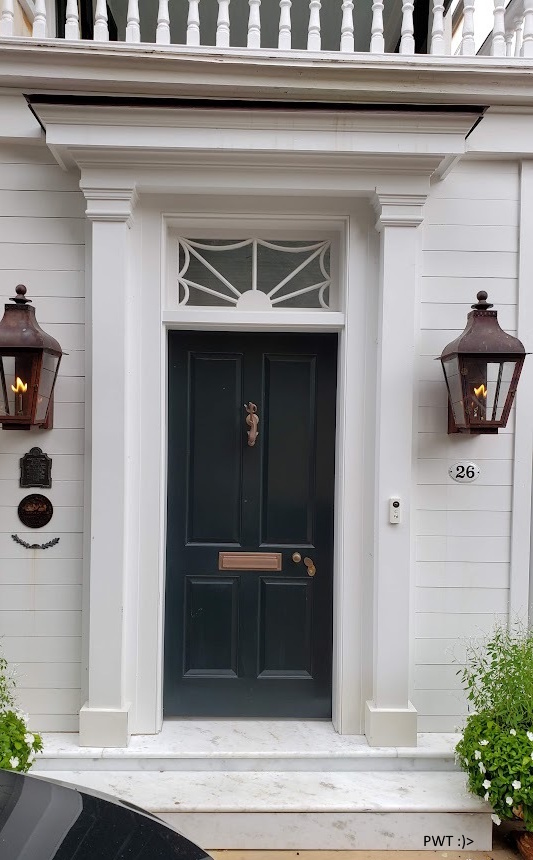
The exact origin of the color is debated. Some historians believe the shade evolved naturally from older copper-based green paints and verdigris pigments that darkened over time through weathering and age. Regardless of its true origin, Charleston Green became one of the South’s most recognizable architectural colors.
Symbolically, Charleston Green combines the authority and strength of black with the renewal and endurance associated with green. For many historic homes, it conveys resilience, permanence, sophistication, and deep Southern identity.
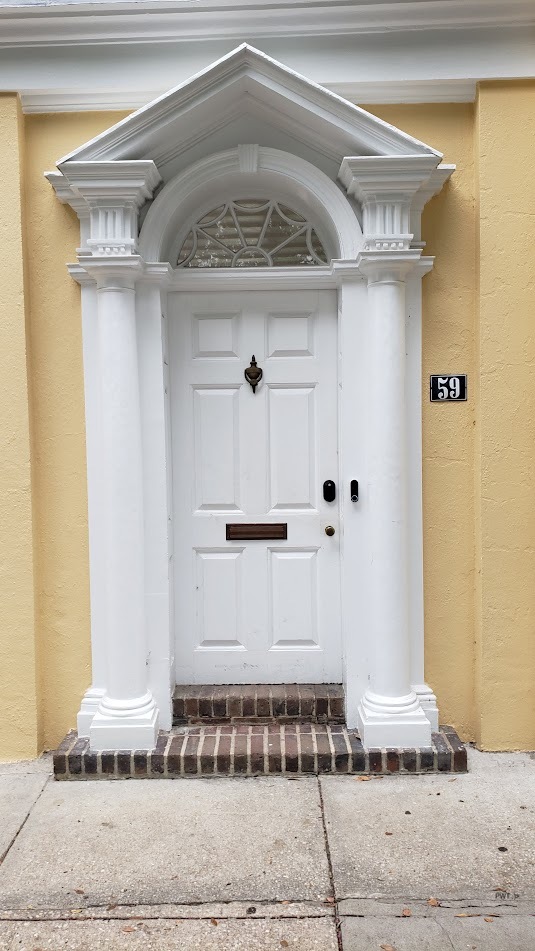
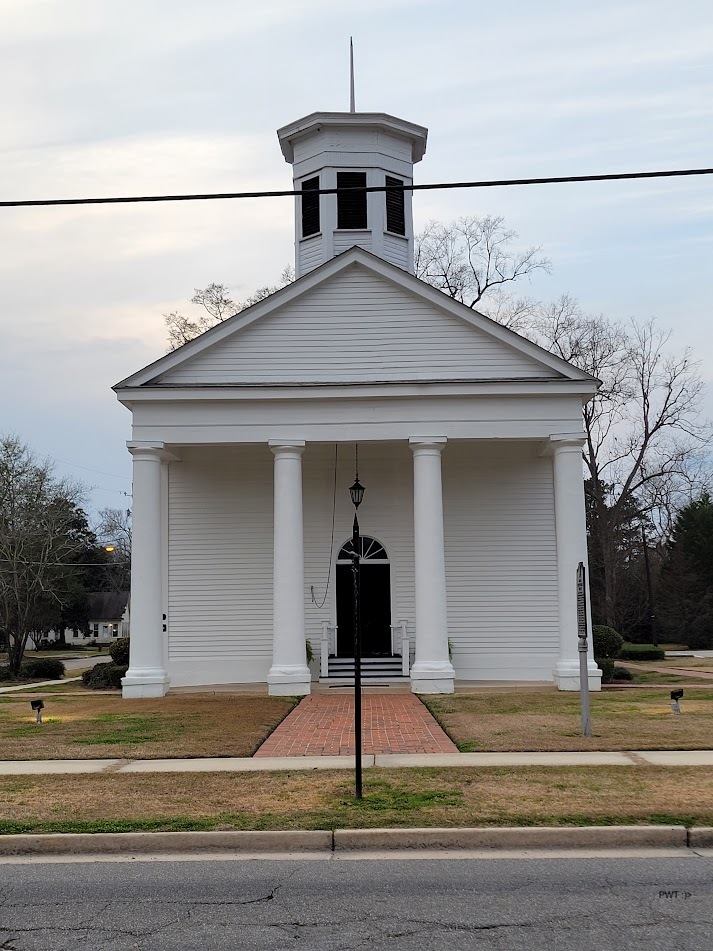
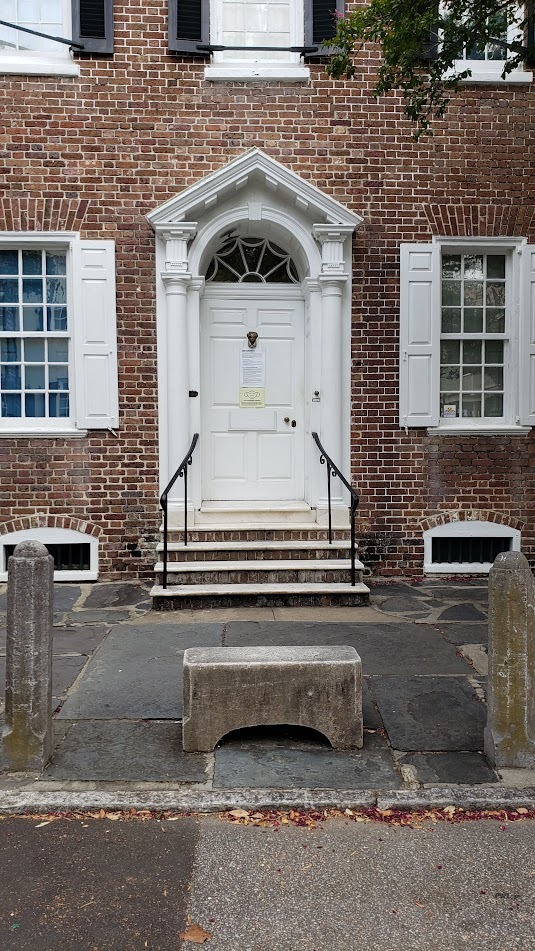
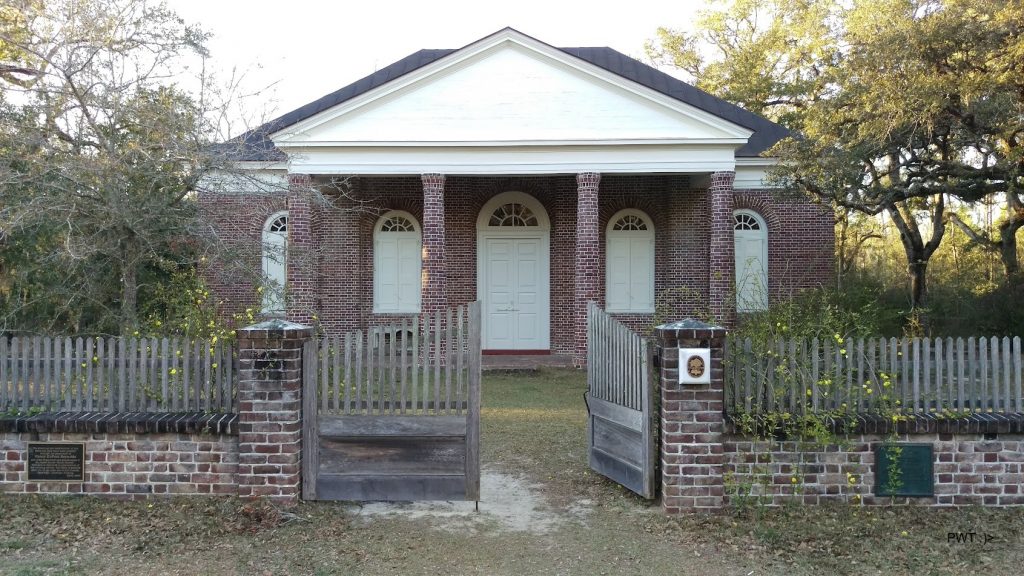
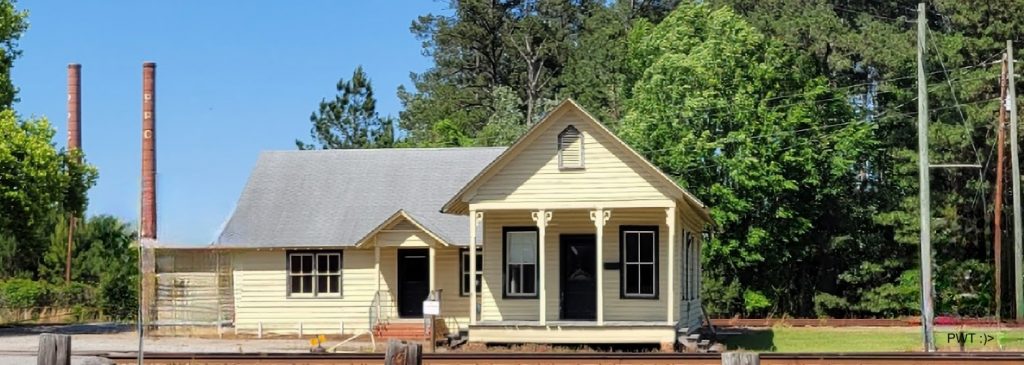
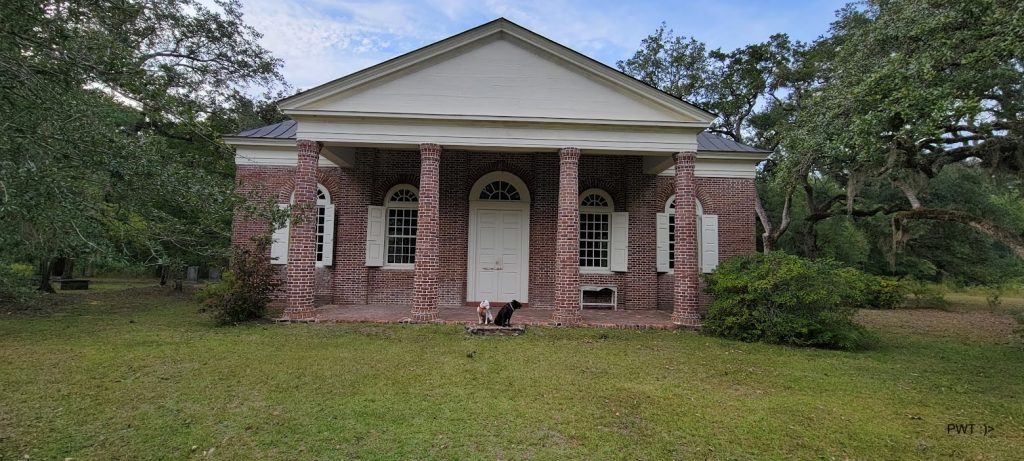
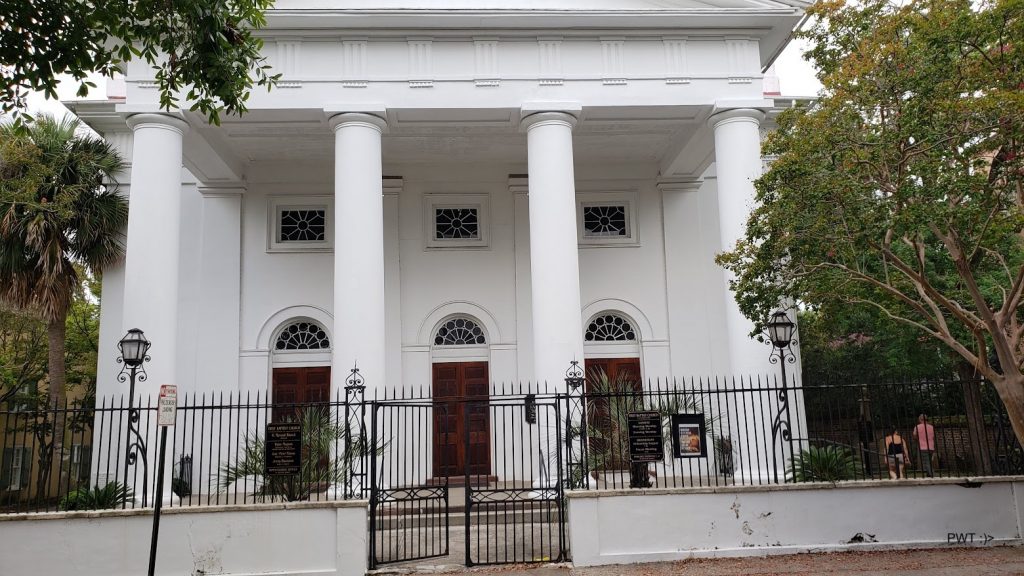
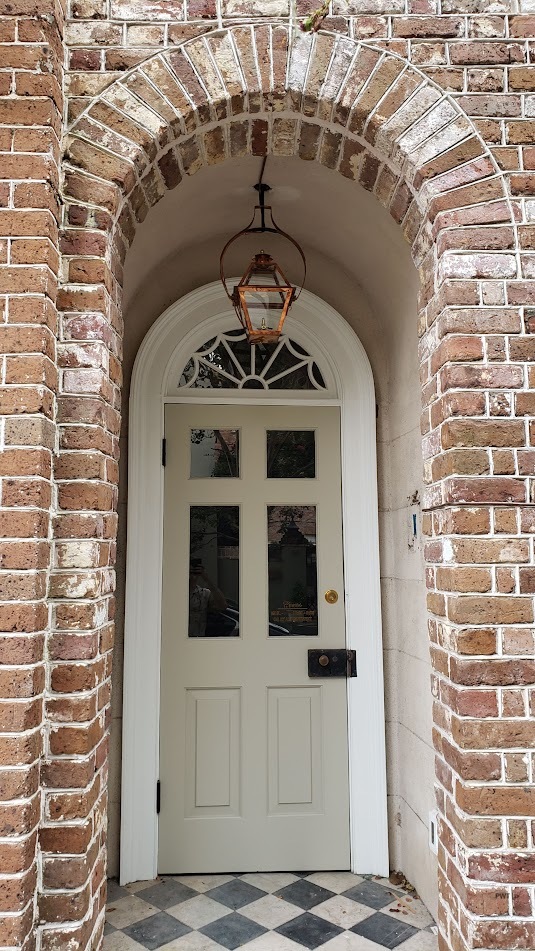
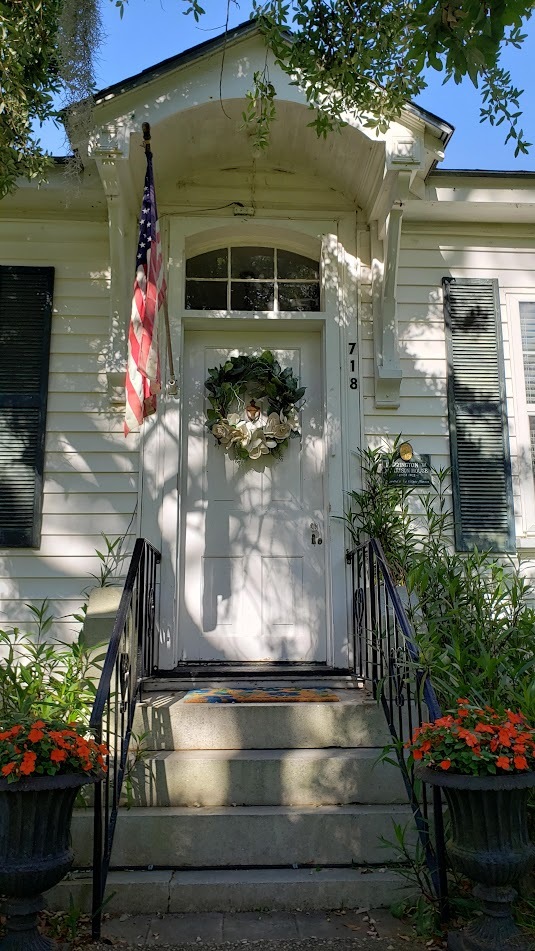
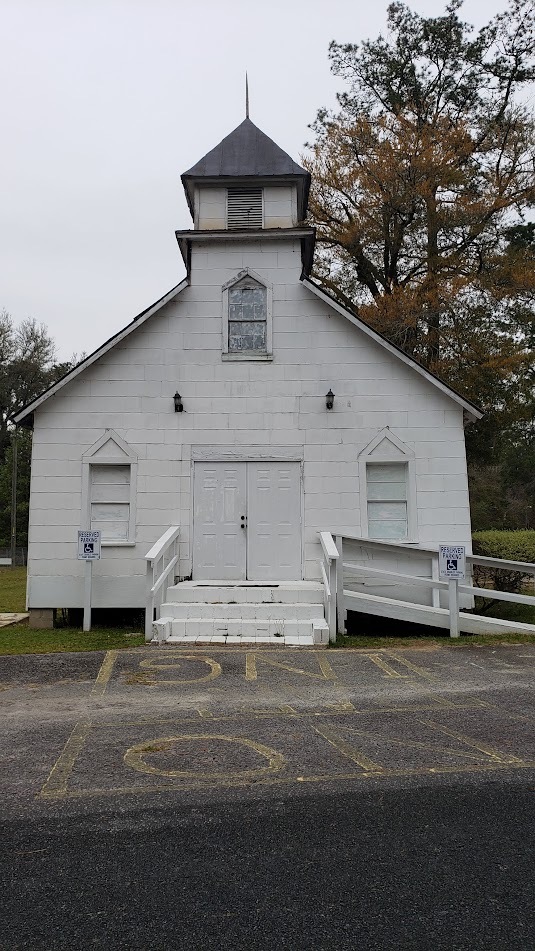
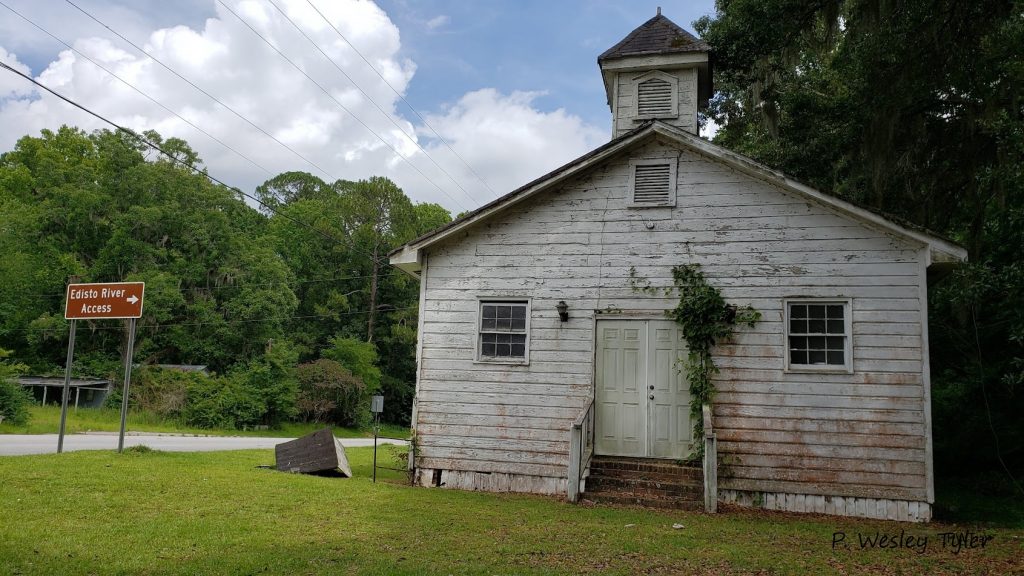
White doors traditionally represented purity, peace, spiritual cleanliness, and simplicity. In coastal communities, white paint also served a practical purpose by reflecting sunlight and heat. Many churches and historic homes used white doors to convey calmness, hospitality, and order.
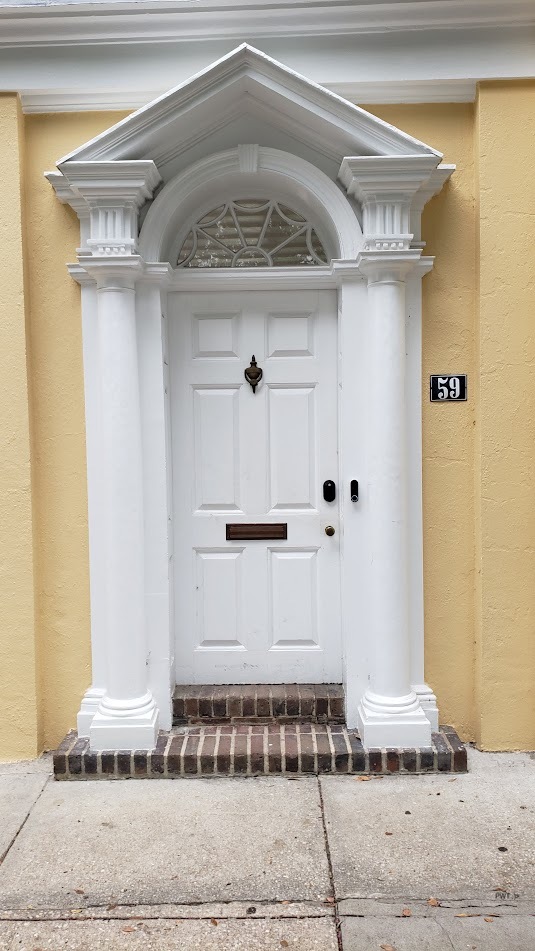
Yellow and gold-toned doors became associated with warmth, optimism, creativity, and opportunity. In some traditions, yellow symbolized wisdom and intelligence, while gold represented wealth and success. Brightly colored doors became particularly common in coastal towns and artistic communities where individuality and cheerful appearances were celebrated.
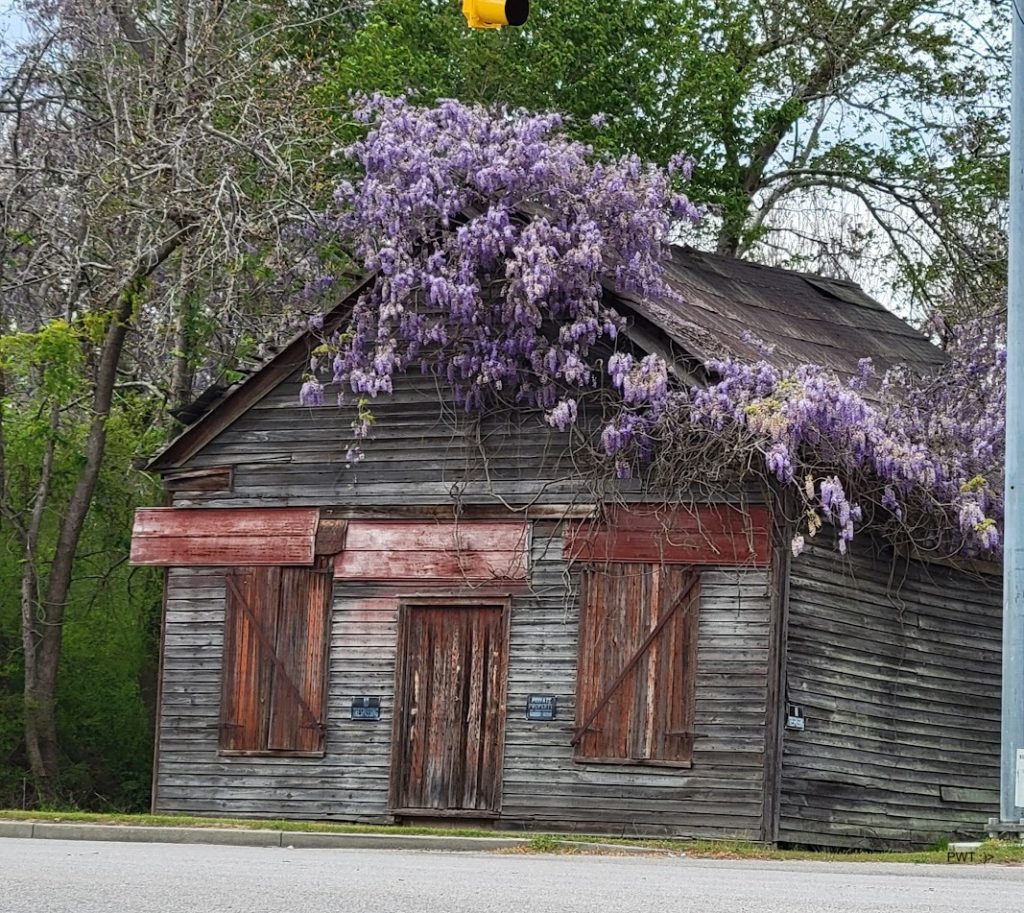
Purple doors carried some of the most mysterious symbolism of all. Historically associated with royalty and wealth due to the rarity and expense of purple dyes, the color later became connected with spirituality, hidden knowledge, and mysticism. In some esoteric traditions, purple doors symbolized protection from negativity and the pursuit of higher understanding.
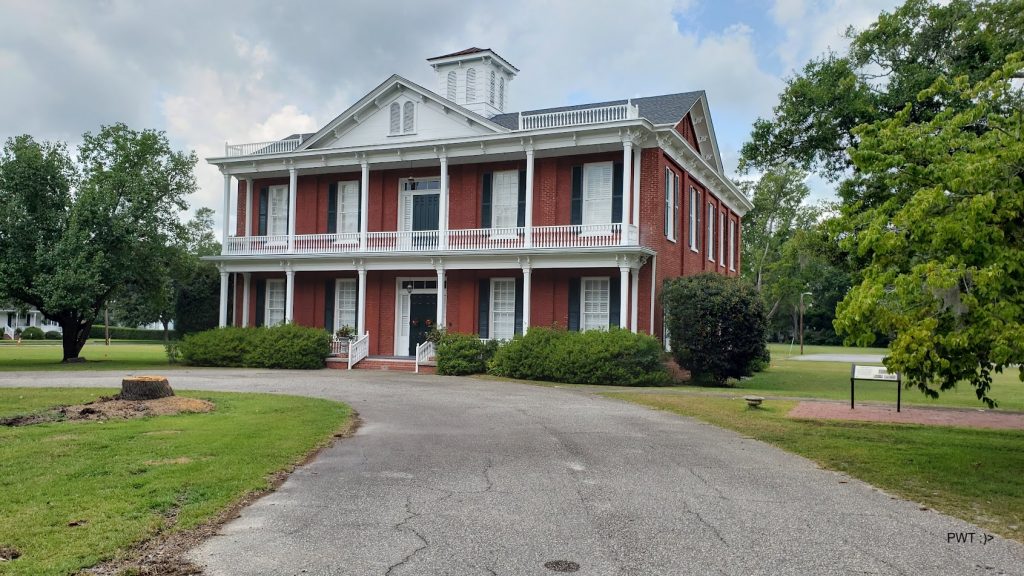
Interestingly, folklore surrounding doors was not limited to the main entrance. Upper-level balcony doors and second-story entrances also carried symbolic meaning in many older traditions. In Victorian symbolism, elevated doors represented aspiration, dreams, romance, and the boundary between private life and the outside world. French doors opening onto balconies often signaled wealth and refinement.
In coastal folklore, especially in maritime regions, lighter colors such as pale blue, sea-green, and weathered turquoise were sometimes favored for upstairs balcony doors. Some old beliefs held that darker colors on upper doors could “hold storms,” while lighter colors encouraged calm winds, peaceful sleep, and protection from restless spirits. Blue balcony doors were also thought to protect sleeping areas by confusing wandering entities in much the same way as haint blue porch ceilings.
Whether rooted in folklore, religion, superstition, or simple tradition, front door colors have long reflected humanity’s desire to protect the home and shape the energy surrounding it. Even in the modern world, many people continue choosing doorway colors not only for beauty, but for the meanings and stories attached to them.
Sources: