
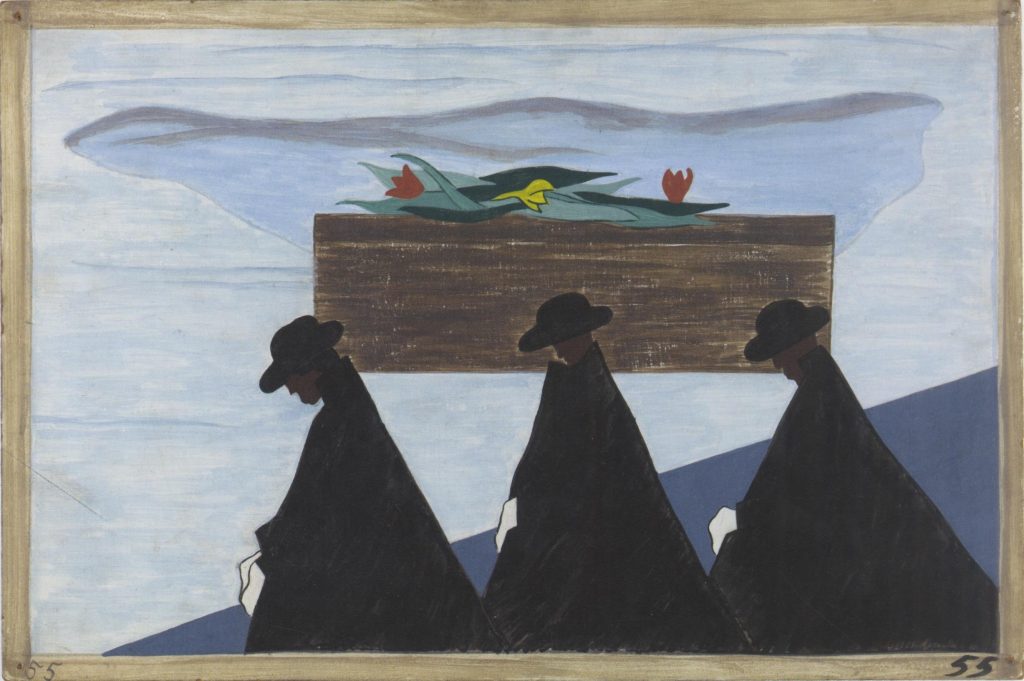
Tansy: Golden Buttons at the Edge of the Veil
Medicine, mourning, immortality, and the folklore of a flower made for Halloween.
Some flowers seem destined for a wedding bouquet. Tansy looks as though it belongs beside an old apothecary’s ledger, a candle, and a name someone is determined not to forget.
Its yellow buttons are cheerful enough. Its history is another matter: bitter remedies, funeral customs, promises of immortality, and a Victorian floral message that amounted to a declaration of war.
For Halloween week, few plants offer such a compelling meeting of healing and danger, remembrance and mystery. But tansy’s story deserves careful telling. Historical practices, spiritual beliefs, and modern internet inventions can grow tangled together.
A note before entering the garden: This is an exploration of history and folklore, not a guide to using tansy medicinally. Common tansy is toxic; its historical reputation does not make it safe to consume.
Meet the bitter buttons
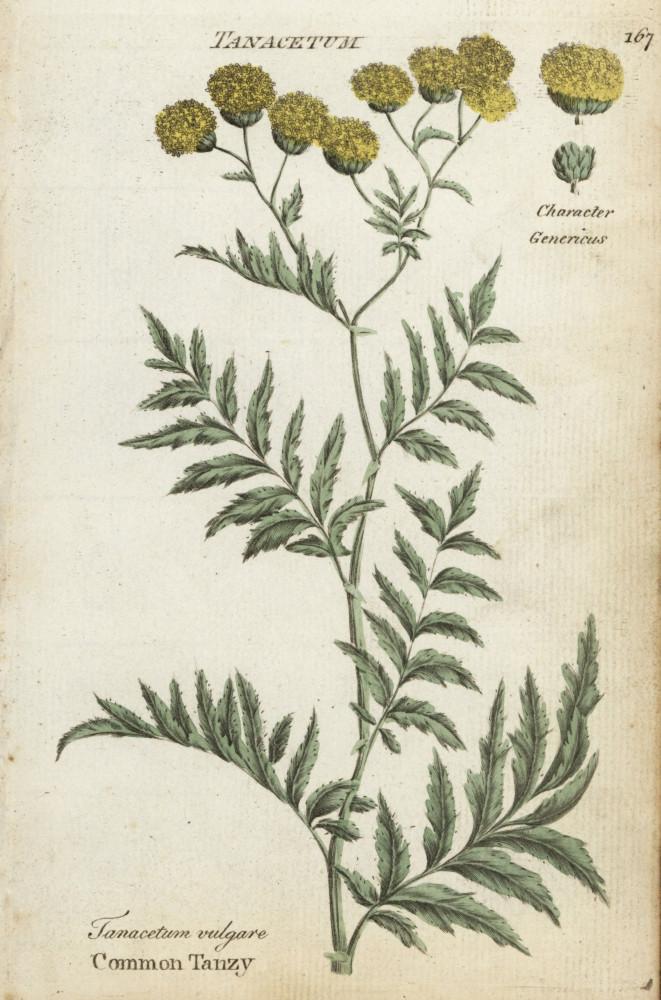
Anselmus Boëtius de Boodt’s drawing comes from natural-history albums commissioned by Emperor Rudolf II. It includes handwritten plant names, including tanacetum athanasia. This is an actual drawing from roughly 400 years ago
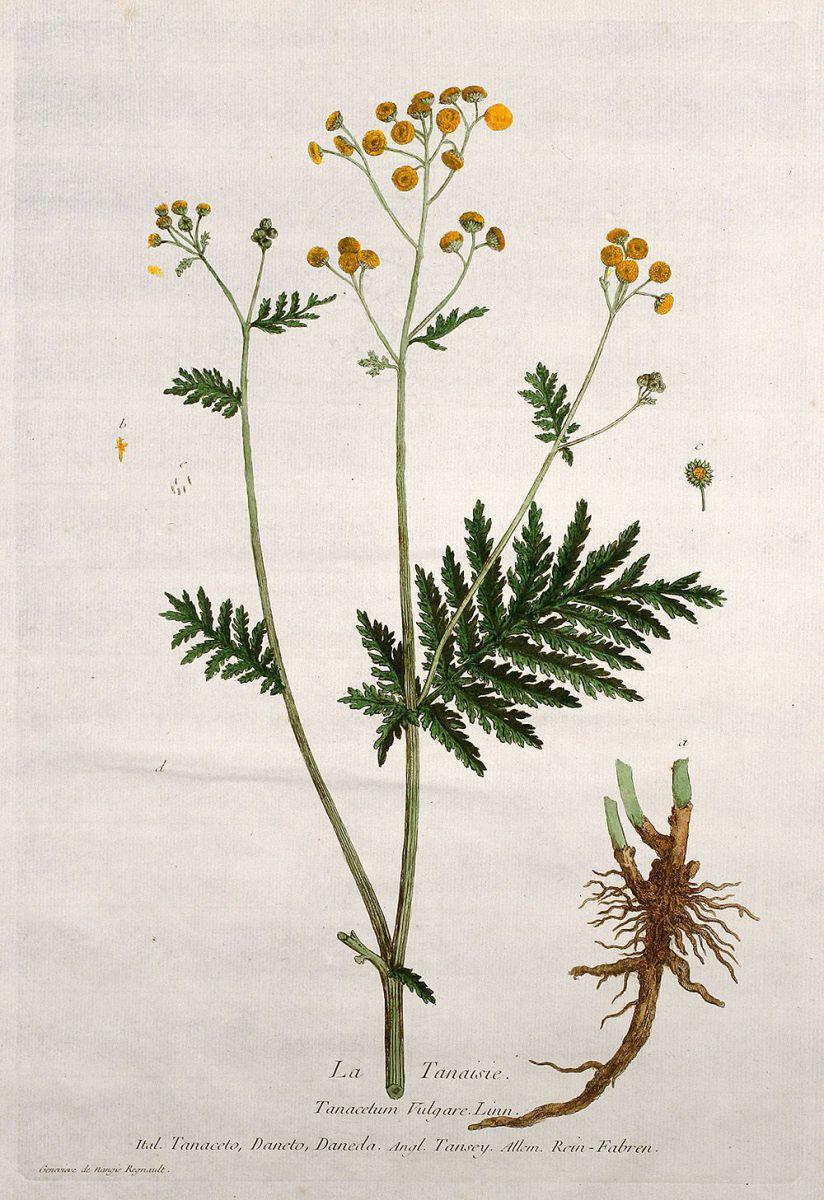
Common tansy, Tanacetum vulgare, belongs to the daisy family. Its finely divided leaves and clusters of yellow, button-shaped flower heads give it a distinctive appearance. The heads usually lack the conspicuous outer “petals” of a familiar daisy. Its aroma is sharp, often compared with camphor.
European colonists brought it to North America for practical uses. It subsequently escaped gardens, and its persistence has made it a troublesome invasive plant in some regions. The same determination that might delight a storyteller can frustrate a land manager. [1]
Botanical names matter here. Common tansy should not be confused with blue tansy, Tanacetum annuum, or tansy ragwort, Jacobaea vulgaris. A shared common name does not make plants interchangeable. [2]
The herb that promised deathlessness
Tansy’s name has long been connected with Greek words for immortality or deathlessness. In A Modern Herbal, Maud Grieve repeats explanations linking the name to the plant’s lasting flowers and its reputation for preserving bodies. She also records the story that tansy was given to Ganymede to make him immortal. [3]
The image is irresistible: a mortal youth, carried into the company of the gods, receiving everlasting life through a humble herb.
There is a distinction worth preserving, however. Ganymede’s elevation to divine company is established Greek mythology. The Iliad and the Homeric Hymn to Aphrodite describe his place among the immortals; those passages do not identify tansy as the means. The herbal detail is best presented as a story repeated in herbal literature, rather than confidently assigned to those ancient texts. [4]
Even with that qualification, the symbolism is powerful. A flower that seems to resist fading becomes an emblem of the human wish to endure.
The medicine cupboard—and its dangers
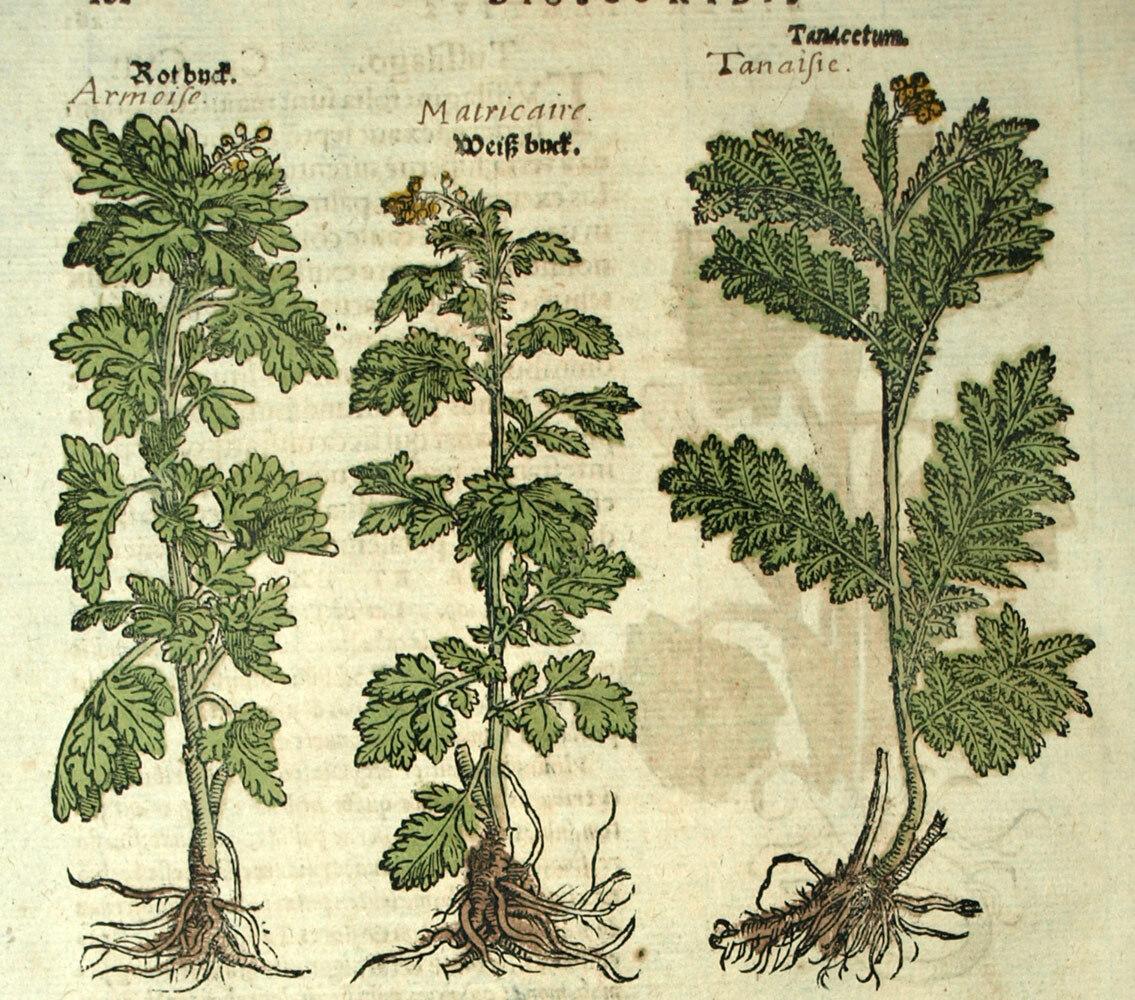
Tansy once occupied a serious place in household medicine. Historical sources describe its use against intestinal worms, digestive complaints, fevers, and rheumatism. Those are records of what people treated with it, not proof that each treatment worked or was safe. [1]
Its reproductive history is especially troubling. Tansy was used to encourage menstruation and in attempts to end pregnancies. Yet older writers also recommended it for nearly the opposite purpose. The Joel Lane Museum House reproduces Culpeper’s claim that tansy could prevent miscarriage, alongside a modern warning that the plant is toxic. These contradictions reveal the uncertainty and danger within older medical practice. [5][6]
Modern research confirms that tansy contains biologically active chemicals. It also shows why sweeping descriptions are unreliable. Different populations can have markedly different essential-oil compositions, or “chemotypes.” A 2023 study of Bulgarian tansy identified an oil dominated by camphor, with thujone among its constituents. The researchers studied chemical composition, laboratory antioxidant activity, and acute toxicity in rats—not proven treatment benefits in people. [7]
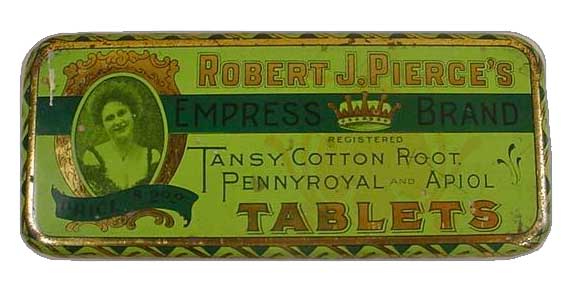
Thujone is a major toxicological concern, and tansy poisoning can cause convulsions and potentially death. Skin contact can also cause irritation or dermatitis. Do not use common tansy as a home remedy, pregnancy treatment, or experiment in inducing visions. [8]
The plant’s medical past is fascinating precisely because it brings hope and hazard so close together.
Easter cakes before Halloween candles
One surprising turn in the story leads away from autumn and into spring.
Grieve describes “tansies,” egg-based dishes flavored with the plant, associated with Lent and Easter. Their bitterness acquired religious meaning through comparison with the bitter herbs of Passover; they were also understood through older ideas about restoring the body after winter’s diet. [3]
This is culinary history, not a recipe recommendation. It also complicates the image of tansy as an exclusively sinister herb. The same plant could appear in a Christian seasonal meal and in traditions surrounding death.
Plants rarely respect the tidy categories later generations build around them.
Coffins filled with golden buttons
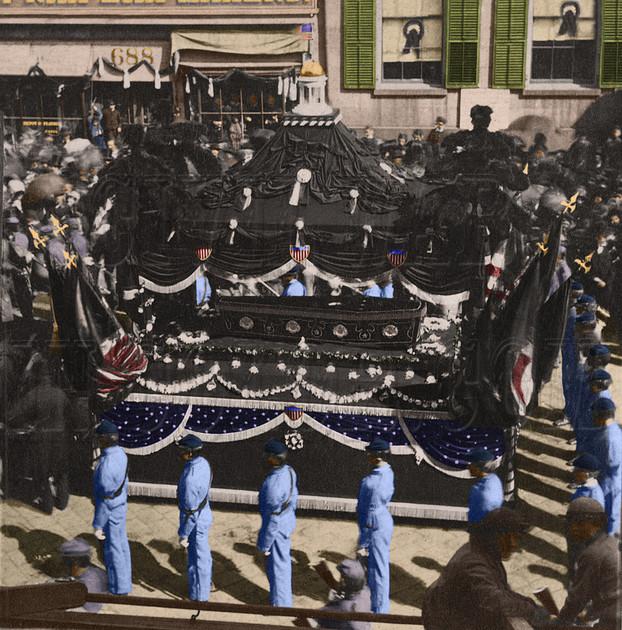
Tansy’s place beside the dead was more substantial than a sprig laid on a pillow. Coffins were sometimes packed or filled with the plant. The Herb Society of America describes this practice as an effort to slow decomposition and notes that tansy’s association with funerals could make its scent unwelcome to the living. NC State Extension also records leaves being used to wrap corpses. [6][8]
Consider the scene: a body laid out, the room heavy with grief, and handfuls of pungent greenery tucked around someone who had recently been speaking, laughing, working, or sitting at the family table. The herb’s sharp aroma would become part of the memory of that farewell.
This was practical care as well as an act open to symbolism. Aromatic plants could help manage unpleasant smells and were used to discourage insects. Such efforts belonged to a world in which tending the dead demanded direct, physical attention. They should not be confused with the reliable preservation achieved by modern embalming.
Tansy also moved through ordinary domestic life. The Plant-Lore collection preserves a recollection of it being scattered across bare stone floors in Shropshire to freshen the air. [9] A familiar household scent could therefore follow a person from the living room into the coffin.
That continuity gives the plant an extraordinary emotional weight. The same greenery that had belonged to the household now accompanied someone leaving it.
Its name, tied to deathlessness, adds another layer. To a grieving imagination, flowers that keep their form suggest something enduring beyond the body: a soul, a memory, a relationship that death has changed but not entirely erased. That is an interpretation of the symbolism, rather than a claim that every historical mourner understood the plant in precisely the same way.
Wreaths, doorways, and the guarded threshold
Tansy also appears in accounts of funeral wreaths and household protection. The contemporary practitioner source aromaG’s Botanica describes wreaths laid upon coffins and associates the plant with remembrance and safe passage for the soul. That records a strand of present-day herbal lore; it does not, by itself, date the custom to a particular ancient community. [15]
Doorway protection has separate support. The Herb Society of America recounts the belief that tansy hung above a doorway could dispel curses, alongside traditions of protection from monsters and hostile authorities. [16]
These images belong naturally together in a Halloween story: flowers at the coffin, greenery above the door, and a household deciding what may cross its threshold.
The specific picture of a tansy wreath hanging on a door can be included as a contemporary expression of those linked themes. The sources reviewed here support funeral wreaths and doorway-hung tansy separately; they do not establish a widespread historical custom of tansy door-wreaths.
As a symbolic reading, the wreath’s circle offers continuity: no obvious beginning, no final end. Its position at the entrance makes it a declaration of welcome and refusal. Love and remembrance may enter; malice should remain outside.
This is the language of the threshold. At Halloween, the doorway becomes more than a piece of architecture. It is the place where the familiar world meets whatever we imagine waiting in the dark.

Protection, witchcraft, and the language of resistance
Tansy’s occult (the word means “hidden”; it does not mean “the devil”) associations vary by source and tradition. The word comes through Latin occultus, meaning hidden or concealed. In spiritual writing it also describes esoteric or supernatural subjects; the term itself does not identify those subjects as Satanic. [17]
Contemporary magical references associate tansy with longevity, protection, and banishing. Some assign it to Venus and the element of water. These are correspondences within particular systems of belief, rather than a single universal code. [10]
The Victorian flower language adds a sharper edge. Kate Greenaway’s Language of Flowers lists wild tansy with the message: “I declare war against you.” [12]
Imagine receiving that bouquet.
For this Halloween portrait, that symbolism supplies the plant with a stubborn personality: the flower that stands its ground, guards the doorway, and refuses to surrender what has been entrusted to it.
“Keep the law away”: baths, boundaries, and protective lore
One of tansy’s more unusual reputations belongs to “keep the law away” magic.
Catherine Yronwode’s Herb Magic catalogue records a hoodoo rootwork belief that tansy could discourage police or other authorities from looking into a person’s affairs. It describes the plant being carried in shoes and used in ritual baths, clothing rinses, and floor washes for that purpose. These are documented descriptions of a belief, not instructions offered here. [11]
Read symbolically, the different settings tell a coherent story. Shoes carry a person through the world. Clothing surrounds the body. A floor marks the inhabited home. A bath suggests washing away something unwanted. The common desire is to move through life untroubled by intrusion.
The version in which tansy growing in the yard keeps the law from coming around fits that same boundary imagery. However, its precise historical source remains unverified here. The better-supported accounts concern the carried herb and ritual washes, while modern practitioner descriptions separately connect planting near homes or thresholds with protection. [11][15]
A stronger version says a tansy bath leaves police—or anyone wishing harm—unable to affect the bather. That is best identified as an unverified extension of the protective legend, not a promise of invulnerability or a securely documented historical teaching.
Within the imaginative world of such lore, tansy becomes a guardian: trouble is meant to pass by, hostile intentions to lose their grip, and the protected person to remain undisturbed. The fascination lies in that wish for sanctuary.
The bath tradition is included as folklore, not a recommendation. Tansy can irritate skin, and a ritual purpose does not make exposure safe. [8]
Samhain and the thinning veil
By late October, the Northern Hemisphere’s landscape seems to be withdrawing into itself. Gardens fade. Bare branches emerge. Darkness arrives while the day still feels unfinished.
It is easy to understand why this season invites thoughts of endings—and of what might continue beyond them.
The National Museum of Ireland describes Samhain, November 1, as the first day of winter in the traditional calendar, with celebrations on the preceding evening. Halloween customs included feasting, divination, and the expectation that departed souls might return to the family home. Protective customs reflected concern about unwelcome visitors from the spirit world as well. [13]
“The thinning of the veil” is a familiar expression in modern Pagan spirituality for this imagined closeness between the living and the dead. Harvard’s Pluralism Project describes Samhain beliefs in easier communication with departed loved ones, along with remembrance and meditative practices. [18]
The veil is a compelling image because it suggests separation without complete absence. Something may be hidden, yet still near. A face behind a curtain cannot be seen clearly, but the curtain does not mean the room beyond is empty.
Within that spiritual outlook, Halloween is a time to listen: for an ancestor’s presence, a meaningful dream, or an experience interpreted as a sign. These are matters of faith and personal interpretation, not established evidence that a supernatural barrier changes on a calendar date.
Tansy enters this landscape through its funeral history and its association with deathlessness. A flower placed beside the dead becomes an evocative companion for a season devoted to remembering them. It can stand for the hope that a farewell is not the end of every connection.
That makes a strong symbolic association. It does not require claiming that ancient celebrants universally used tansy at Samhain. The historical sources reviewed here do not establish that.
An empty chair for the beloved dead
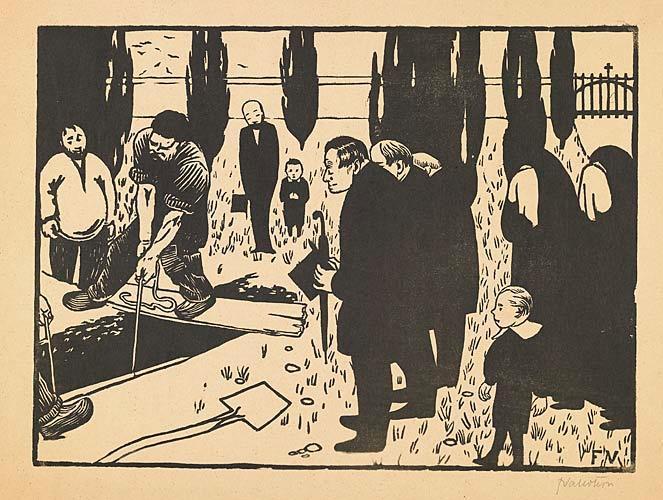
Some modern Pagans observe a “dumb supper,” with “dumb” meaning silent: a meal of remembrance in which a place is left for the dead. Harvard’s Pluralism Project describes a full plate and an empty chair as part of this practice. [18]
The image needs very little explanation. Anyone who has lost someone knows how loud an empty chair can feel.
In a contemporary remembrance setting, a picture of tansy could sit beside family photographs, a handwritten name, or an object that belonged to the person being honored. Its meaning would come from the choice to connect this funeral flower with that particular memory.
To a believer, the setting may be an invitation to ancestors. To someone else, it may offer a quiet way to speak words left unsaid. Those meanings need not be identical for the act to carry emotional weight.
The claim that tansy traditionally had to be placed on the plate to help a spirit “solidify” goes beyond the evidence located here. The documented meal and that specific plant claim should remain distinct.
As a modern symbolic addition, however, tansy offers a fitting thought: you are absent from this table, but you have not been erased from it.
Mediumship and the flower at the boundary
Mediumship centers on a claimed ability to communicate with the dead. For people who practice it, a sitting can be an attempt to reach beyond ordinary perception and recognize the presence of someone no longer physically here.
Tansy’s appeal in such a setting is understandable. Few plants combine a name associated with immortality, a place in coffins, and a reputation for protection so neatly. Contemporary practitioner descriptions connect it with remembrance, guiding departed spirits, and ancestor-focused work. [15]
From those associations, a modern spiritual interpretation can develop: the plant as a bridge, linking the living person who remembers with the dead person being remembered. Its protective meaning offers the other half of the image—a doorway that welcomes the beloved while turning away what is feared.
That is a symbolic synthesis, not a verified ancient teaching or a demonstrated effect of the plant.
The phrases “psychic anchor” and “beacon for spirits,” used in modern descriptions of tansy, can be read in that imaginative sense. An anchor suggests steadiness while attention turns toward the unseen. A beacon suggests recognition: something familiar shining across a distance.
The idea that spirits recognize tansy’s scent because it accompanied them into the coffin makes an especially vivid piece of storytelling. It imagines the funeral flower becoming a calling card between worlds. Its historical origin remains unverified; it should be enjoyed as an evocative interpretation rather than attributed to an unnamed ancient tradition.
For a practitioner, such symbolism might support concentration, intention, or a sense of connection. For a reader outside that belief system, it can illuminate how objects become meaningful: through association, repetition, grief, and memory.
None of this establishes that tansy increases psychic ability, changes an energetic frequency, guarantees contact, or shields someone absolutely from harmful entities. But the absence of such proof need not strip the story of its atmosphere.
Picture golden flowers beside a portrait, their color catching the low light. Somewhere beyond the window, October moves through the trees. A name is spoken aloud.
The scene leaves room for belief, uncertainty, and remembrance—all at the same table.
What about shamans and traditional plant knowledge?
The word “shamanic” is often attached loosely to herbs online. A responsible account needs a named community, a specific practice, and a traceable source.
One concrete example appears in Huron H. Smith’s 1932 Ethnobotany of the Ojibwe Indians. Smith records that Flambeau Ojibwe informants knew tansy as a plant said to help with fevers. Elsewhere, he describes its flowers as an ingredient in an aromatic hunting mixture used with smoke to attract deer. [14]
That is a particular ethnographic report, recorded by an outside observer at a particular time. It does not establish that tansy was used to summon ancestors, open an underworld gateway, or induce a shamanic trance.
It deserves to retain its own cultural context rather than being folded into a generic Halloween mythology. The smoking practice is historical documentation, not advice to reproduce it.
Keeping the mystery—and respecting the plant
Tansy has earned its place in an October story. Its past reaches from the medicine cupboard to the funeral chamber, from Easter dishes to floral declarations of hostility.
For a seasonal display or ancestral remembrance, an illustration or photograph can carry that symbolism without bringing a toxic herb into contact with food, children, or animal companions. If handling the actual plant, wear gloves; “external use” is not an automatic guarantee of safety. Avoid homemade teas, oils, baths, smoking, and incense experiments. [5][8]
As the nights lengthen, tansy offers a question more enduring than whether a flower can open a door to the dead:
What do we choose to keep alive?
A name. A story. An act of kindness. The memory of someone whose chair is empty.
Perhaps that is where these golden buttons belong this Halloween—beside the things we refuse to forget.
Buy seed here https://link.amazon/B0dFyk6tY
Sources and further reading
Historical herbals are cited as evidence of past beliefs and practices, not as current medical guidance. Practitioner sources document spiritual associations, not demonstrated supernatural effects.
- Montana State University Extension — Common tansy, October 2026.
- Mecklenburgh Square Garden — Tansy and similarly named plants.
- Maud Grieve — A Modern Herbal: Tansy.
- Theoi — Ganymede, with translated ancient sources.
- Joel Lane Museum House — Tansy, historical uses and toxicity warning.
- The Herb Society of America — Tansy Grabs Pop Culture Spotlight.
- Karcheva-Bahchevanska and colleagues, 2023 — Chemical composition, antioxidant potential, and acute toxicity of Bulgarian tansy essential oil.
- NC State Extension — Tanacetum vulgare.
- Plant-Lore — Tansy: collected accounts.
- Flying the Hedge — Herbarium and Witchipedia — Tansy. Spiritual associations only; medicinal instructions are not endorsed.
- Catherine Yronwode — Herb Magic: Tansy.
- Kate Greenaway — Language of Flowers.
- National Museum of Ireland — Traditions and customs of Halloween / Samhain.
- Huron H. Smith, 1932 — Ethnobotany of the Ojibwe Indians.
- aromaG’s Botanica — Tansy: contemporary practitioner lore. Used for modern spiritual interpretations; historical claims are not independently established by a shop listing, and use instructions are not endorsed.
- The Herb Society of America — Spooktacular Herbs for Halloween.
- Merriam-Webster — word definition and etymology.
- Harvard Pluralism Project — Cycles of Celebration.